
Wall decor is where a lot of decorating budgets get spent inefficiently — a handful of small, unrelated pieces bought separately, hung without much plan, that end up reading as leftover space-filler rather than a finished wall. One well-chosen large piece usually beats five small ones, and it's often not more expensive once you add up what the five would have cost.
Affordable doesn't have to mean flimsy or obviously cheap. Most of what follows costs less than a single piece of framed art from a home goods store.
Go Big With One Piece Instead of Small and Scattered
A single oversized print, poster or textile hung on the main wall of a room does more visual work than four or five small frames spread across the same space, and large-format prints are often cheaper per square foot than buying multiple smaller framed pieces. Look at poster shops, art print sites with large-format options, or even an enlarged personal photo printed at a local print shop.
Hang Textiles Instead of Only Framed Art
A patterned scarf, a small vintage rug, a woven wall hanging or even a remnant of nice fabric stretched over a cheap frame adds color and texture to a wall for less than most framed prints, and it introduces softness a flat print can't. A curtain rod or a few small nails along the top edge is usually all the mounting a textile needs.
Look for fabric outside the home decor aisle
Vintage scarves, kimono fabric, or even a leftover remnant from a sewing project often cost less than decor marketed specifically as 'wall art,' and they tend to look less generic because they weren't mass-produced as wall decor in the first place.
Use Plates, Not Just Frames
A cluster of mismatched or matching decorative plates, mounted with inexpensive plate hangers, is a genuinely underused wall decor option outside of very traditional interiors. Thrifted plates cost a few dollars each, and a cluster of five to seven in varying sizes fills a wall the way a gallery of frames would, for a fraction of the cost of framing that many prints.
- Mix plate sizes rather than using all one size, the same way you'd vary heights on a coffee table.
- Keep spacing between plates consistent, even if the plates themselves vary — even spacing reads intentional no matter what's mismatched.
- Combine plates with one or two small framed pieces for variety, rather than an entire wall of only plates.
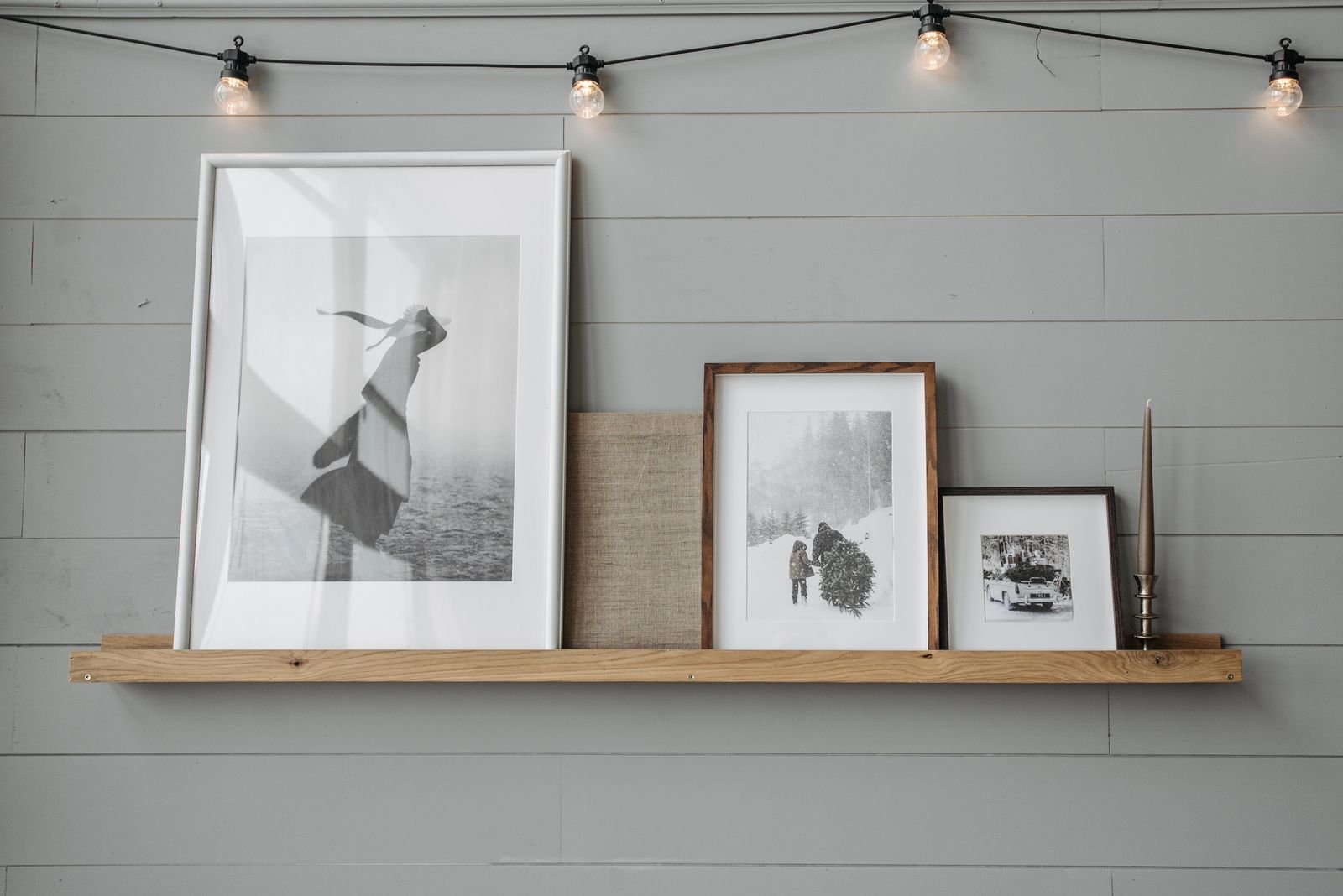
Try a Picture Ledge Instead of Individual Frames
A single narrow shelf mounted along a wall lets you lean multiple prints, postcards and small objects together, overlapping, instead of hanging each one individually with its own set of holes. It's easier to rearrange than a hung gallery wall, cheaper than buying that many frames outright, and it's simple to swap pieces in and out as you find new ones.

Skip the Frame Entirely for Some Pieces
Posters, prints and even nice wrapping paper or fabric can be mounted with washi tape, small binder clips on a string, or a simple wood dowel taped along the top edge and hung from twine. It's not the right approach for every piece, but for a rotating rental-friendly wall, or a piece you might want to swap out in six months, skipping the frame saves money and commitment.
Common Affordable Wall Decor Mistakes
- Buying several small unrelated pieces instead of saving for one larger one, which tends to look like leftover decor rather than a plan.
- Hanging everything at the same height across a wall instead of varying it, which flattens what could be a more dynamic arrangement.
- Choosing frames in several different finishes for one grouping, which reads as mismatched rather than eclectic.
- Ignoring scale — a small print on a large, empty wall looks lost no matter how nice it is on its own.
Frequently Asked Questions
Is one large piece of wall art really cheaper than several small ones?
Often, yes, once framing is factored in. A single large print plus one frame, or no frame at all if it's leaned against the wall, frequently costs less than framing four or five smaller prints individually.
What's a good renter-friendly way to hang heavier wall decor?
Command strips rated for the item's weight work for lighter pieces, but for anything heavier, a small removable hook designed for drywall, rather than a nail, holds more weight and still leaves a barely visible hole at move-out.
How do I arrange mismatched plates or frames so they don't look cluttered?
Keep the spacing between pieces consistent even though the pieces themselves vary in size or style — even, deliberate spacing is usually what separates a 'curated' wall from a cluttered one, more than how well the individual items match.
More Ideas You May Like
Home Decor on a Budget: 12 Upgrades That Look Expensive
Twelve specific, low-cost changes that make a room read as more expensive — most under $60, none of them a full renovation.
Budget Kitchen Decor Ideas
A kitchen doesn't need new cabinets to look updated — cabinet paint, a peel-and-stick backsplash and smarter counter styling do most of the work.
Dog-Friendly Living Room Ideas That Still Look Elegant
A living room can be dog-friendly and still look considered — it comes down to material choices more than giving anything up.
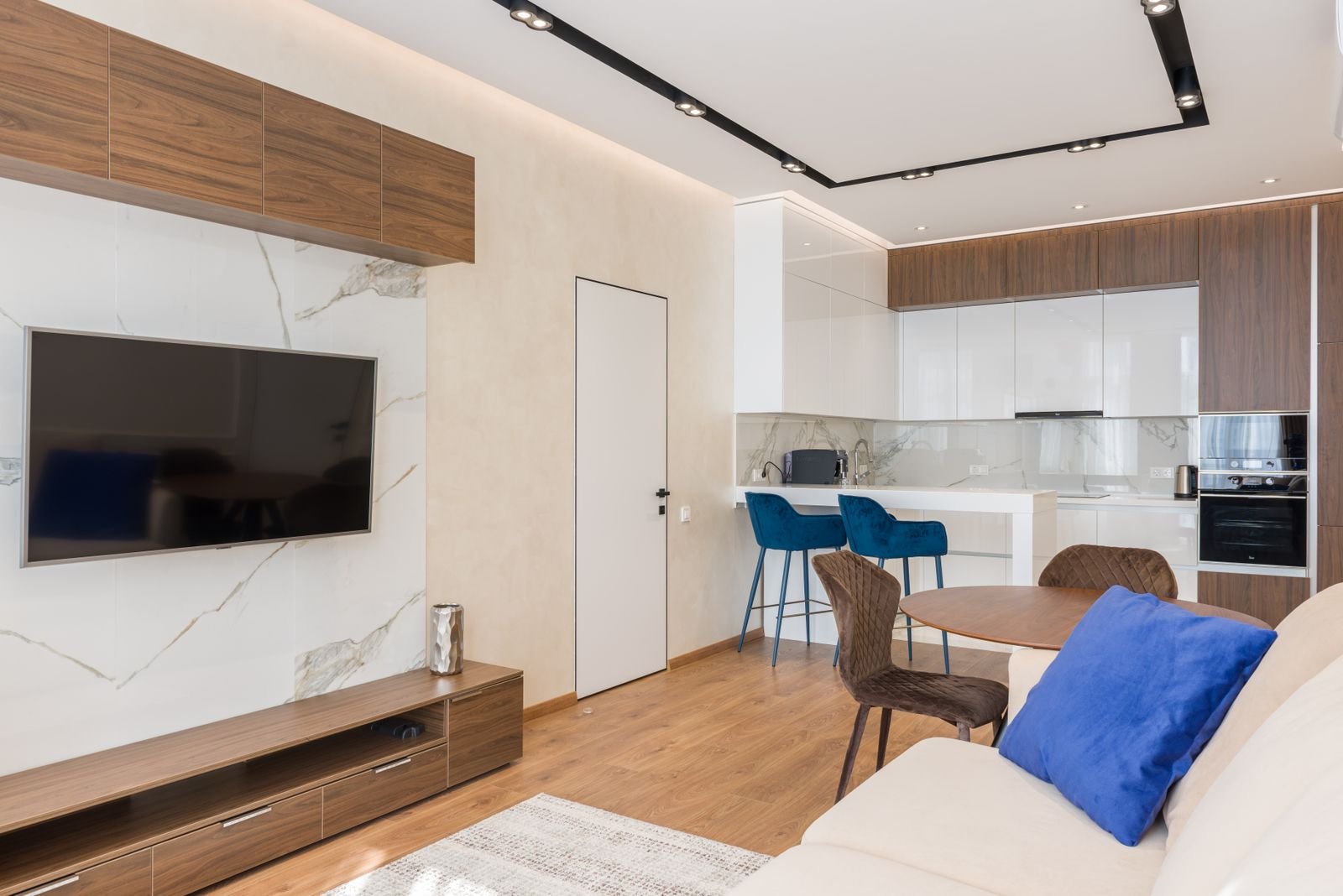
Living Room Layout Ideas for Awkward Rooms
Layout fixes for the living rooms that don't follow the rules — long and narrow, multiple doorways, or no clear focal wall to build around.