
'Looks expensive' is doing a lot of work in decor content, so it's worth being specific about what actually creates that impression: consistency, restraint, and a few details finished properly instead of many details finished halfway. None of the twelve things below require a renovation budget.
Swap Hardware Before You Replace Furniture
New knobs and pulls on an existing dresser or kitchen cabinets cost a fraction of new furniture and change the whole read of a piece. A dated oak dresser with brushed brass hardware looks like an intentional vintage find; the same dresser with its original plastic knobs looks like a dresser you're waiting to replace.
Paint the Trim, Not Just the Walls
Fresh trim paint is one of the most underrated budget upgrades. Scuffed, yellowing baseboards and door frames quietly undercut a room even when the walls look fine — a coat of paint on trim alone can make a whole room look newly finished.
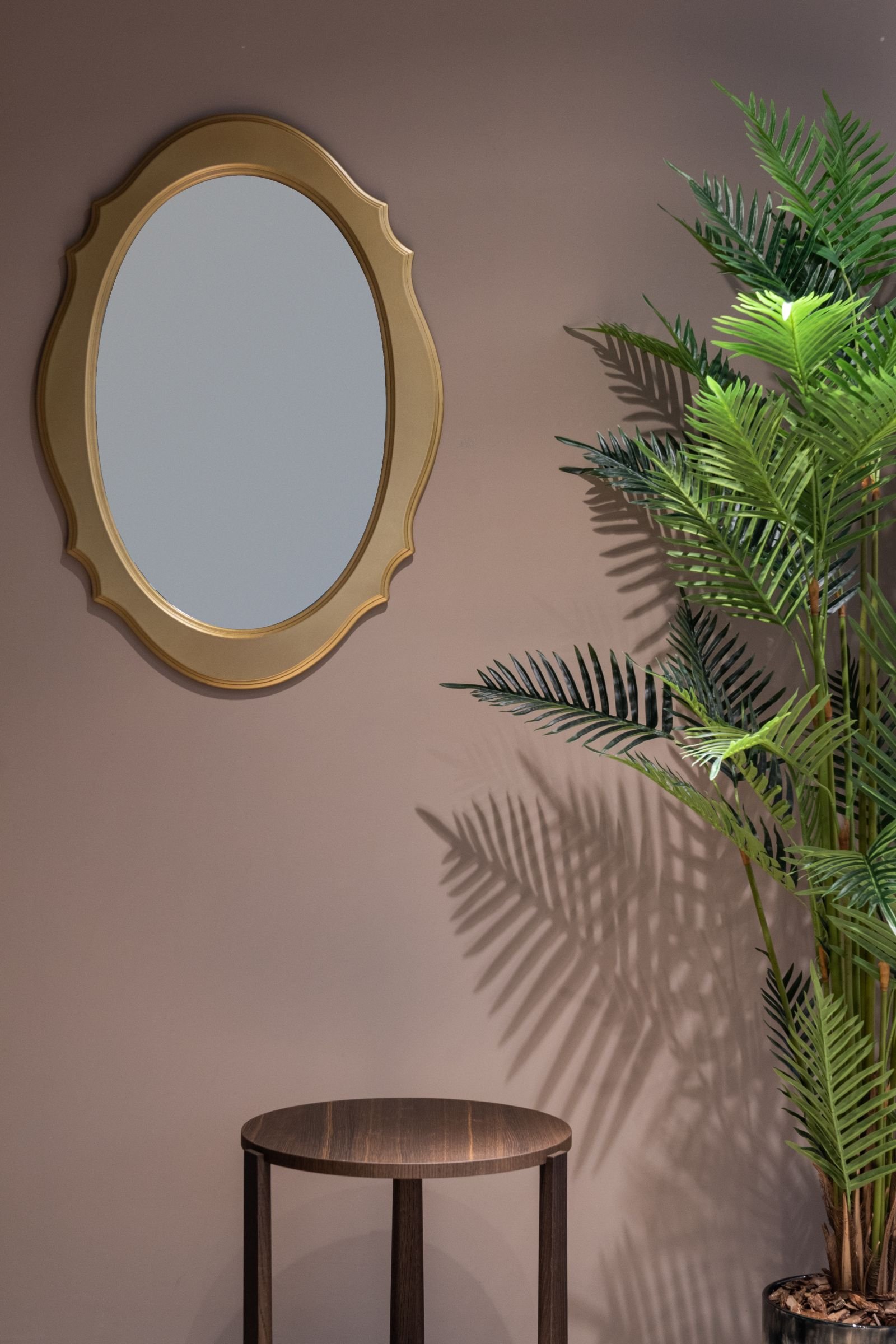
Get a Floor Mirror
A large, leaning floor mirror is one of the highest-impact, lowest-cost pieces you can add to a room. It bounces light around, adds visual height, and reads as a considered design choice rather than a budget one, even when it's an inexpensive frame.
Build a Gallery Wall From What You Already Own
Before buying new art, look at what's already around — postcards, a child's drawing, a map, a fabric swatch — framed consistently in matching or complementary frames. The frames doing the unifying work matters more than what's inside them; mismatched frames read as clutter, matching ones read as a gallery.
Upgrade Lighting Before Anything Else
This shows up in nearly every LuxeNest budget guide because it's consistently the highest-impact low-cost change available. A $15 warm-white bulb swap and a $30 secondhand lamp change a room's entire mood more reliably than a $200 decor purchase.
Hang Curtains Higher and Wider Than the Window
This one costs nothing beyond the curtain rod you'd buy anyway. Mounting the rod four to six inches above the window frame, and extending it a few inches past each side, makes the window itself look taller and wider once the curtains are hung. Curtains mounted directly on the window frame do the opposite — they shrink the window visually and are one of the more common reasons a room reads as budget rather than considered.
Common Budget Decorating Mistakes
- Buying many small, cheap decor items instead of saving for one better piece — a cluttered shelf of trinkets rarely reads as expensive, no matter the individual item quality.
- Skipping curtains because 'blinds are enough' — floor-length curtains, even inexpensive ones, add height and softness blinds alone don't.
- Ignoring scent and sound — a candle and decent lighting cost little and change how a room feels beyond the visual.
- Buying trend pieces that will look dated in a year over classic silhouettes that last.
A $150 Refresh, Roughly Broken Down
- New cabinet or dresser hardware — around $20 to $35 for a full set.
- A pack of warm-white bulbs across your main living spaces — around $15 to $25.
- A secondhand or budget floor lamp — $30 to $50, often less secondhand.
- Trim paint for one key room — around $30 to $40 including supplies.
Frequently Asked Questions
What's the best single budget purchase for making a room look more expensive?
A large floor mirror. It's usually the highest-impact item per dollar because it adds light, height and a sense of intention to a room for the price of a mid-range decor item.
Is it worth buying budget furniture, or better to wait and save?
It depends on the piece. For items you touch daily — a sofa, a mattress — quality tends to matter more, and waiting can be worth it. For accent pieces like a side table or a mirror, budget options styled well often do the job just fine.
More Ideas You May Like
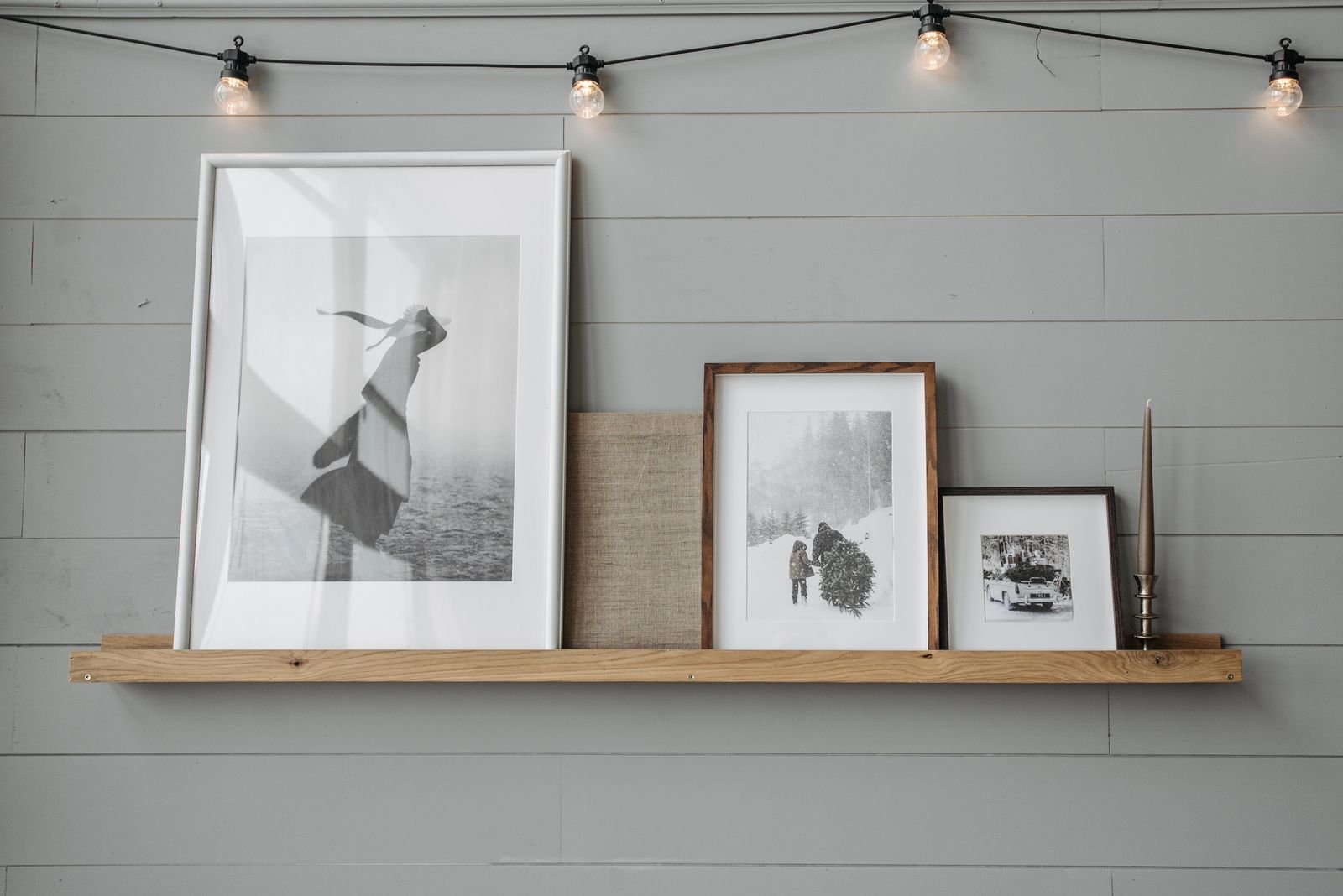
Affordable Wall Decor Ideas
One large print, a hung textile or a cluster of thrifted plates often does more for a wall, and costs less, than several small framed pieces.
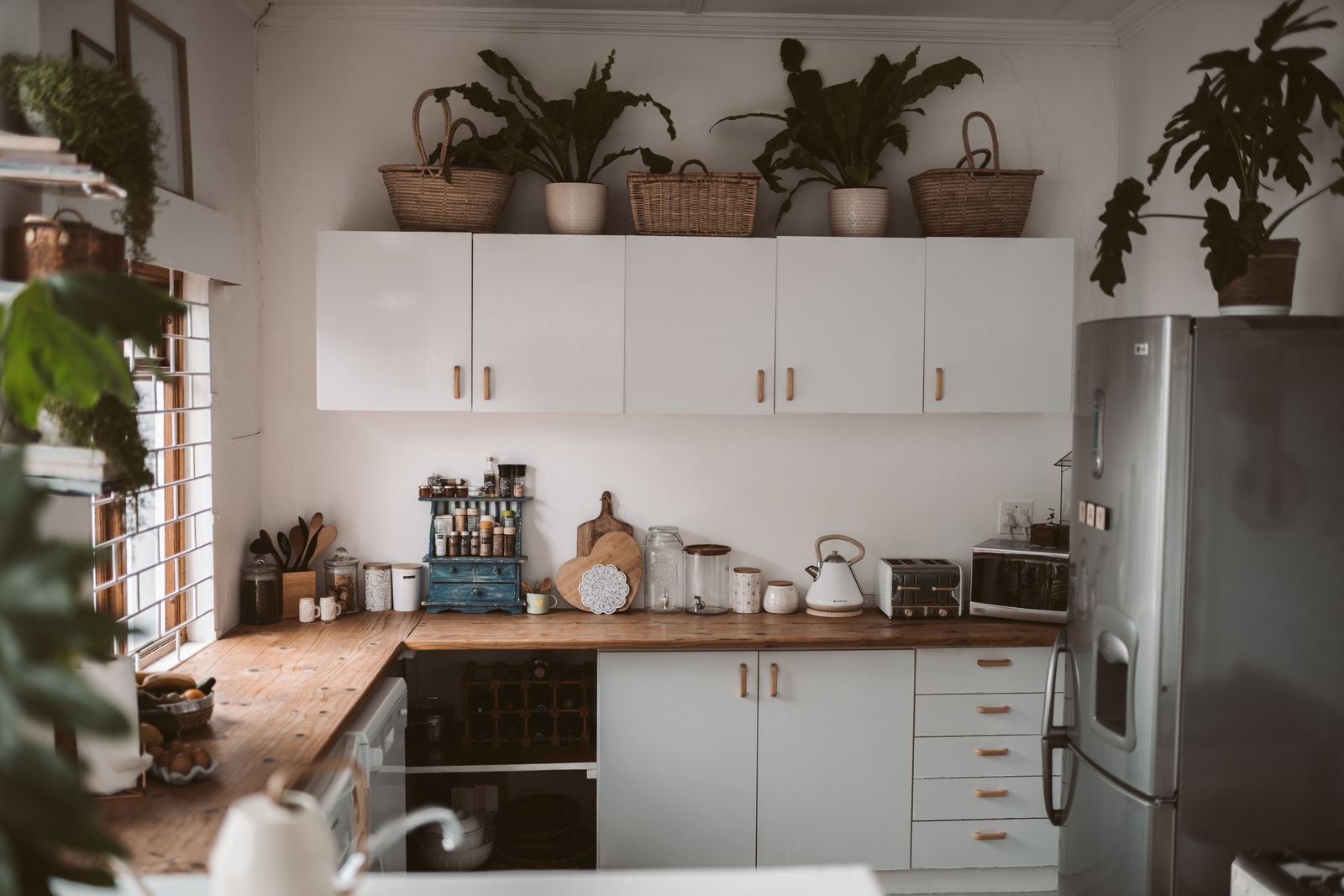
Budget Kitchen Decor Ideas
A kitchen doesn't need new cabinets to look updated — cabinet paint, a peel-and-stick backsplash and smarter counter styling do most of the work.
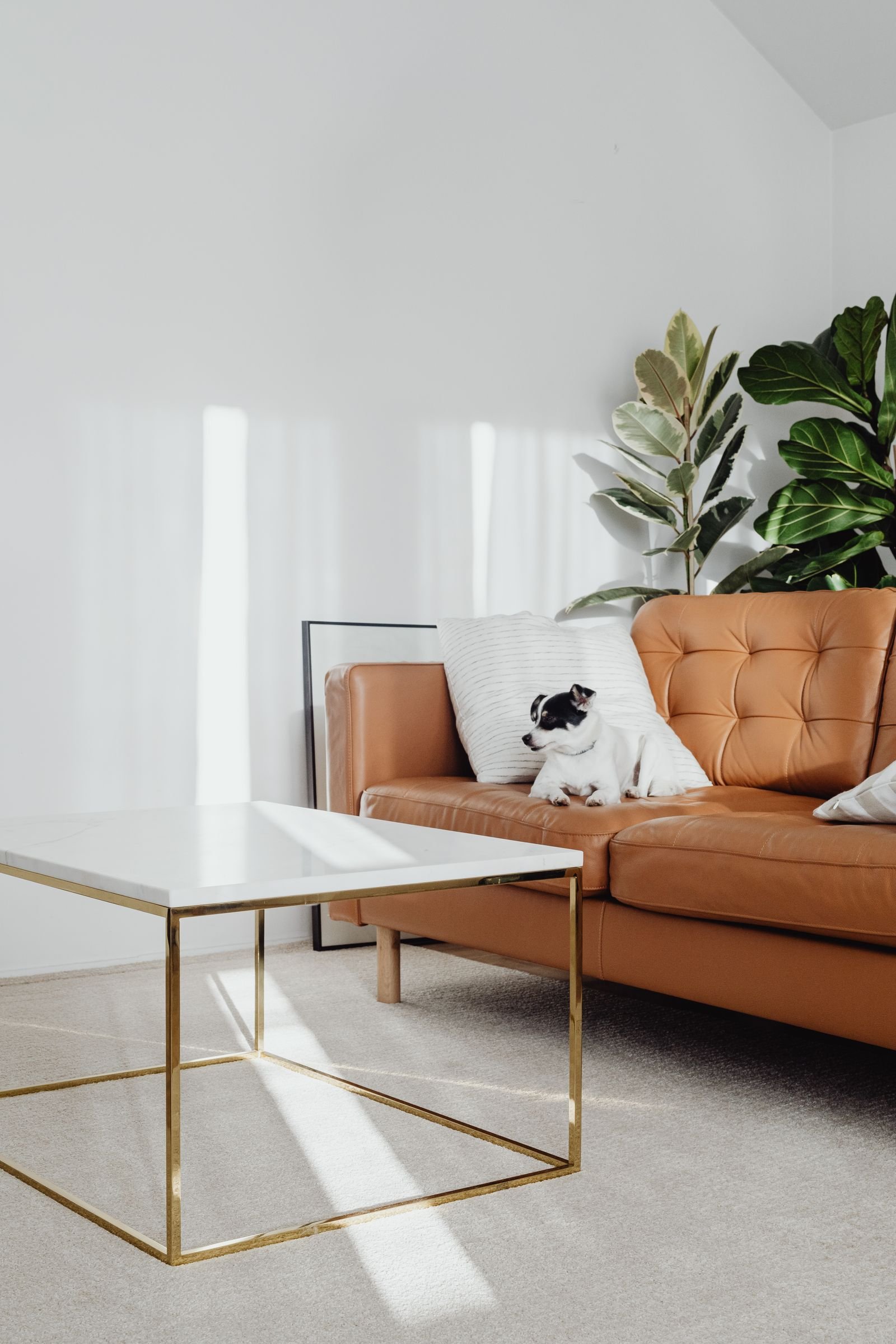
Dog-Friendly Living Room Ideas That Still Look Elegant
A living room can be dog-friendly and still look considered — it comes down to material choices more than giving anything up.
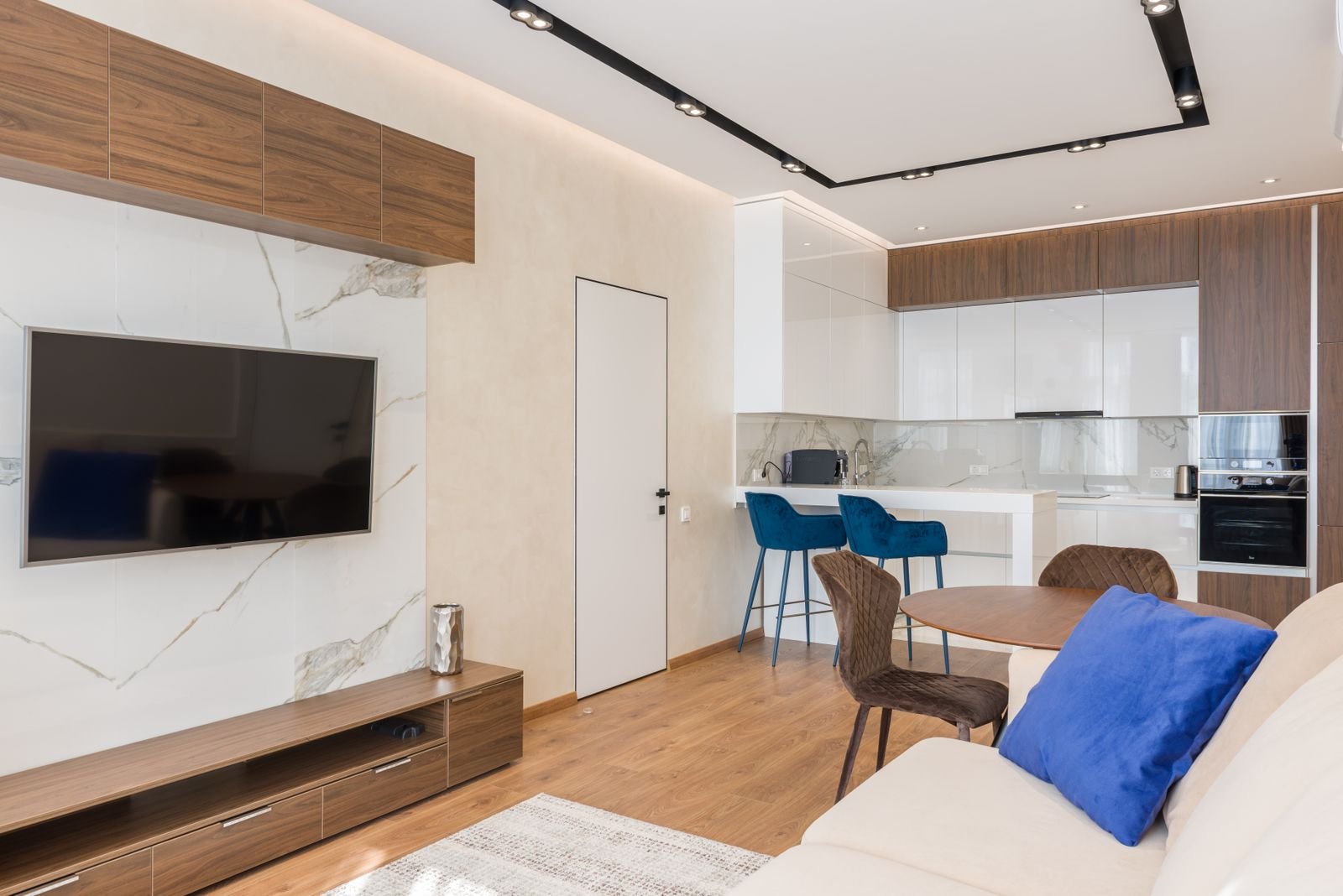
Living Room Layout Ideas for Awkward Rooms
Layout fixes for the living rooms that don't follow the rules — long and narrow, multiple doorways, or no clear focal wall to build around.