
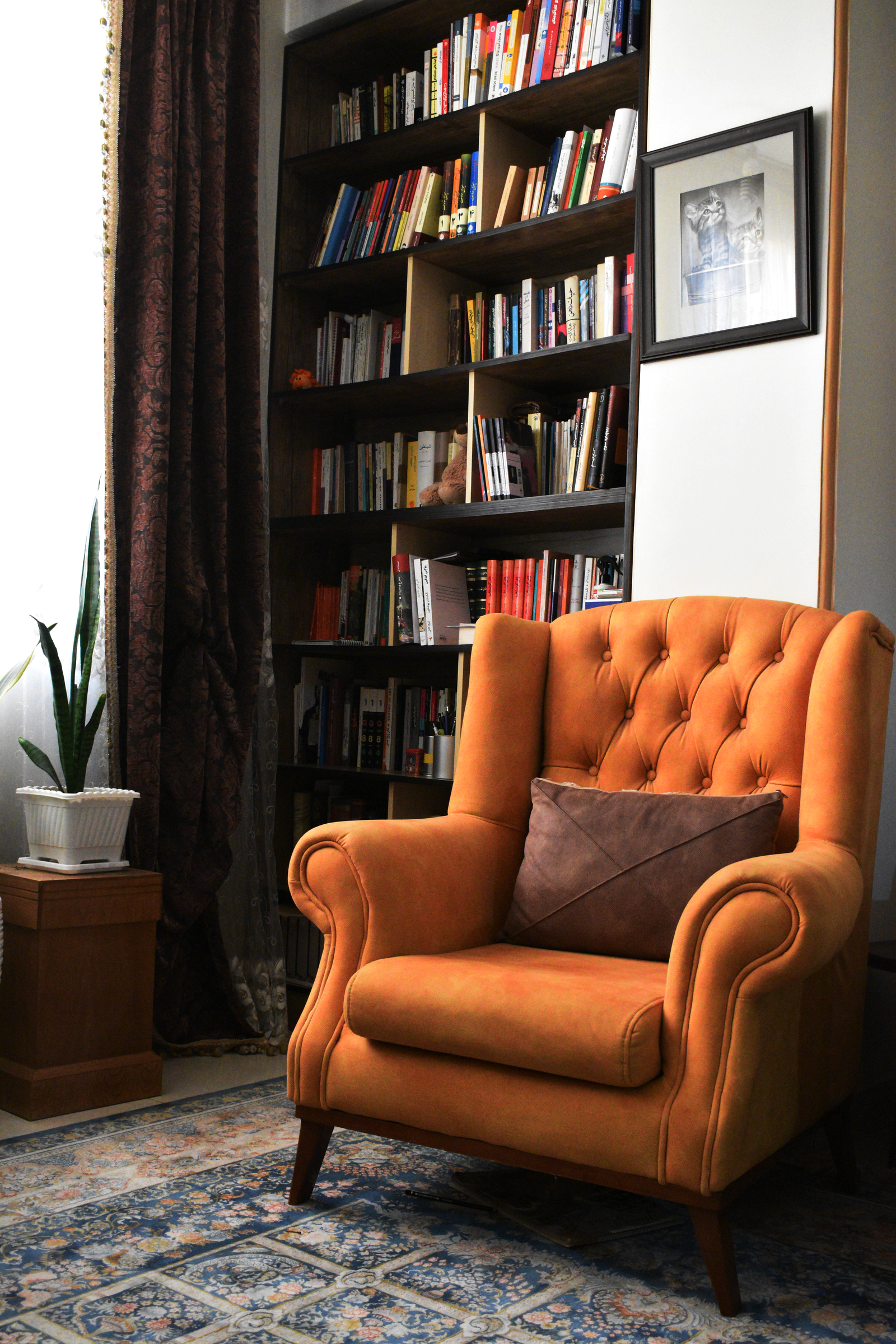
Cozy gets treated like a mood you either have or don't, which makes it hard to actually work toward. It's really a handful of physical conditions: something soft within reach, less bare echo in a room, warmer light and scent, and a house that looks lived in rather than staged. Fix those and the feeling tends to follow on its own.
None of this requires redecorating. Most of it is rearranging or adjusting things already in the house, and the parts that do cost money are closer to $20 than $200.
Put Something Soft Within Arm's Reach of Every Seat
A room can have a nice sofa and still feel cold if there's nothing to actually grab. A chunky knit or wool throw draped over the arm of a chair, within reach of wherever people sit, does more for comfort than most people expect — not folded on a shelf across the room, but close enough to use without getting up.
This applies beyond the living room. A throw at the foot of a reading chair, a blanket basket near the sofa, even a cushion on a dining bench people don't expect to be soft — all of it lowers the emotional temperature of a room a notch.
Quiet the Room Down
Hard-surfaced rooms — wood floors, bare windows, minimal furniture — don't just look sparse, they sound sparse. Sound bounces around a room with nothing to absorb it, and that faint echo reads as cold even if you can't identify why. Rugs, curtains and upholstered furniture all absorb sound, which is part of why a fully furnished room feels warmer than an empty one at the same temperature.
Let Scent Do Some of the Work
Scent is one of the fastest ways to change how a room feels, and it's usually skipped because it seems like an afterthought. Skip anything marketed as 'clean' or 'fresh linen' — those scents read closer to a hotel lobby or a laundry aisle than a home. Warmer notes, like cedar, clove, fig or toasted vanilla, read as more lived-in.
Light a Candle Before People Arrive, Not When They Do
A candle lit twenty minutes before guests show up has time to actually scent the room and warm the light in a corner. Lit right at the door, it's mostly for show.
Fix the First Ten Feet Inside the Door
The entryway sets the tone for the rest of the house, and it's usually the most neglected room in it. A small bench or a single hook for a coat, a low lamp instead of an overhead light, and somewhere specific for shoes turns a pass-through space into the first sign that the house was actually considered.

Let a Few Things Look Used
A perfectly staged room can feel colder than a slightly lived-in one, because it looks like nobody actually spends time there. A stack of books with one open face-down, a throw that isn't perfectly folded, a mug on the side table — small signs of use read as warmth, not clutter, as long as the rest of the room is reasonably tidy.
Common Mistakes That Work Against a Cozy Home
- Relying on a single overhead light in every room used after dark — it flattens a space no matter how nice the furniture is.
- Choosing scented candles or diffusers that smell 'clean' rather than warm — it reads more sterile than cozy.
- Keeping soft textures out of reach, folded in a closet instead of draped somewhere you'll actually use them.
- Leaving the entryway as a pure function space with no seating, light or personality, when it's the first room every guest experiences.
Frequently Asked Questions
What's the cheapest way to make a house feel cozier right now?
Add one soft throw somewhere you actually sit, and switch on a lamp instead of the overhead light for an evening. Both cost little to nothing if you already own a blanket, and the difference is immediate.
Does a cozy home have to be cluttered?
No — coziness comes from texture, warmth and a few lived-in details, not volume of stuff. A tidy, fairly minimal room with the right lighting and one good throw can feel just as warm as a maximalist one.
How much does scent actually matter compared to lighting?
Lighting has the bigger overall effect, but scent works faster — it changes how a room feels within seconds of walking in, before your eyes have even adjusted to the light.
More Ideas You May Like
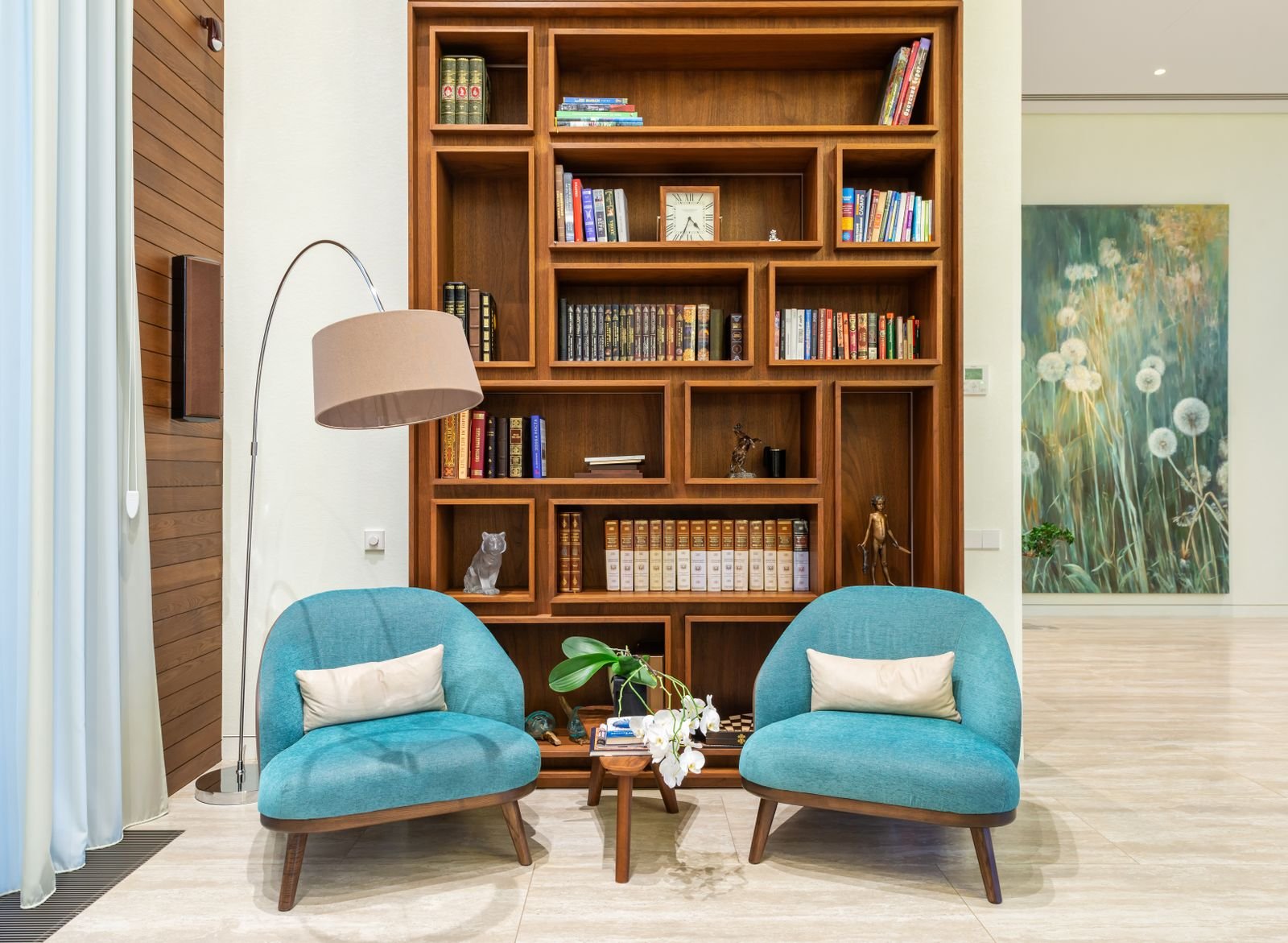
Cozy Home Ideas for Every Room
A room-by-room look at what actually makes a home feel cozy — not a single trick, but a handful of small, repeatable habits per room.
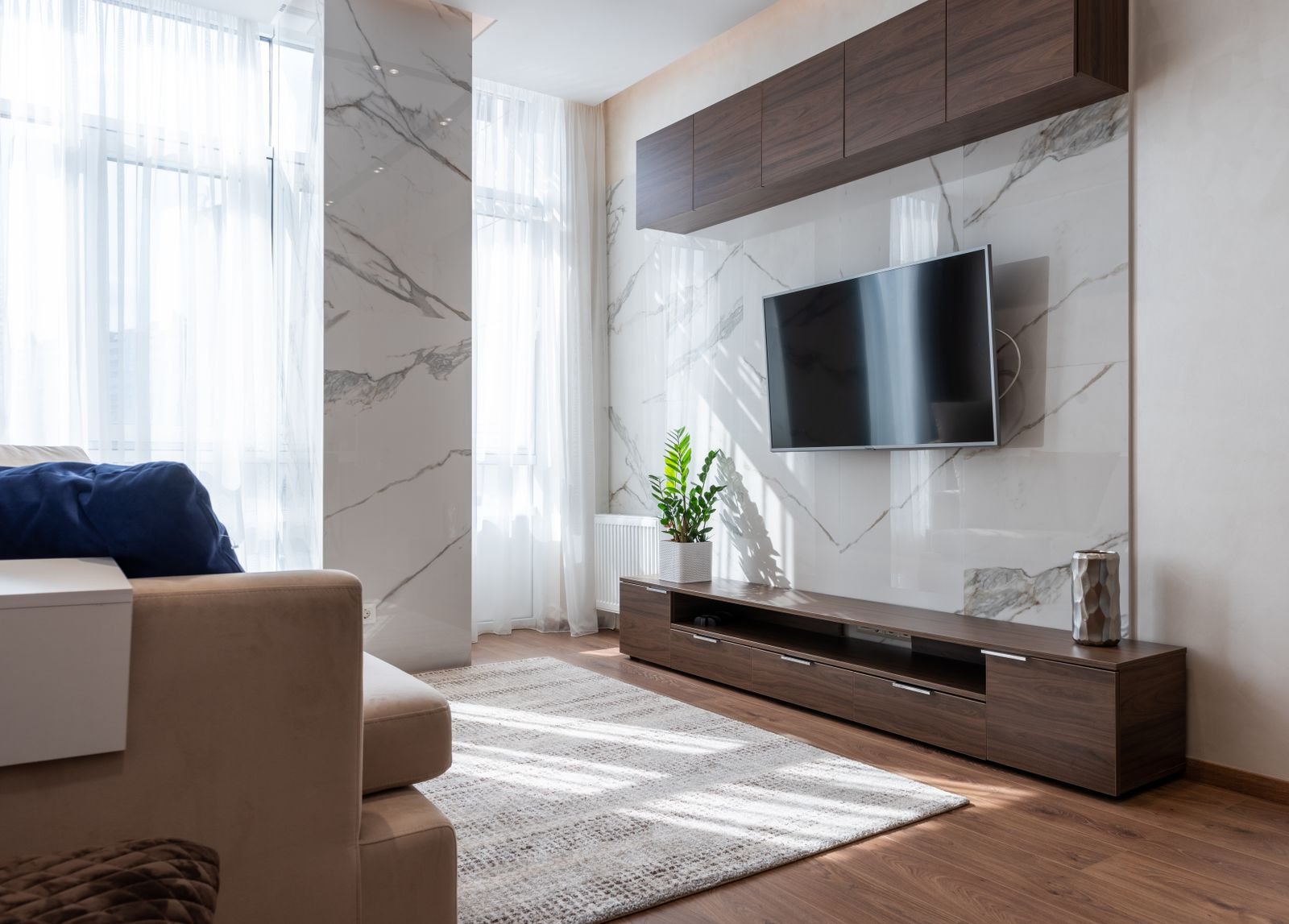
Warm and Inviting Home Decor Ideas
Warm and inviting comes down to color undertones, natural materials and warm metal finishes more than any single decor purchase or color trend.
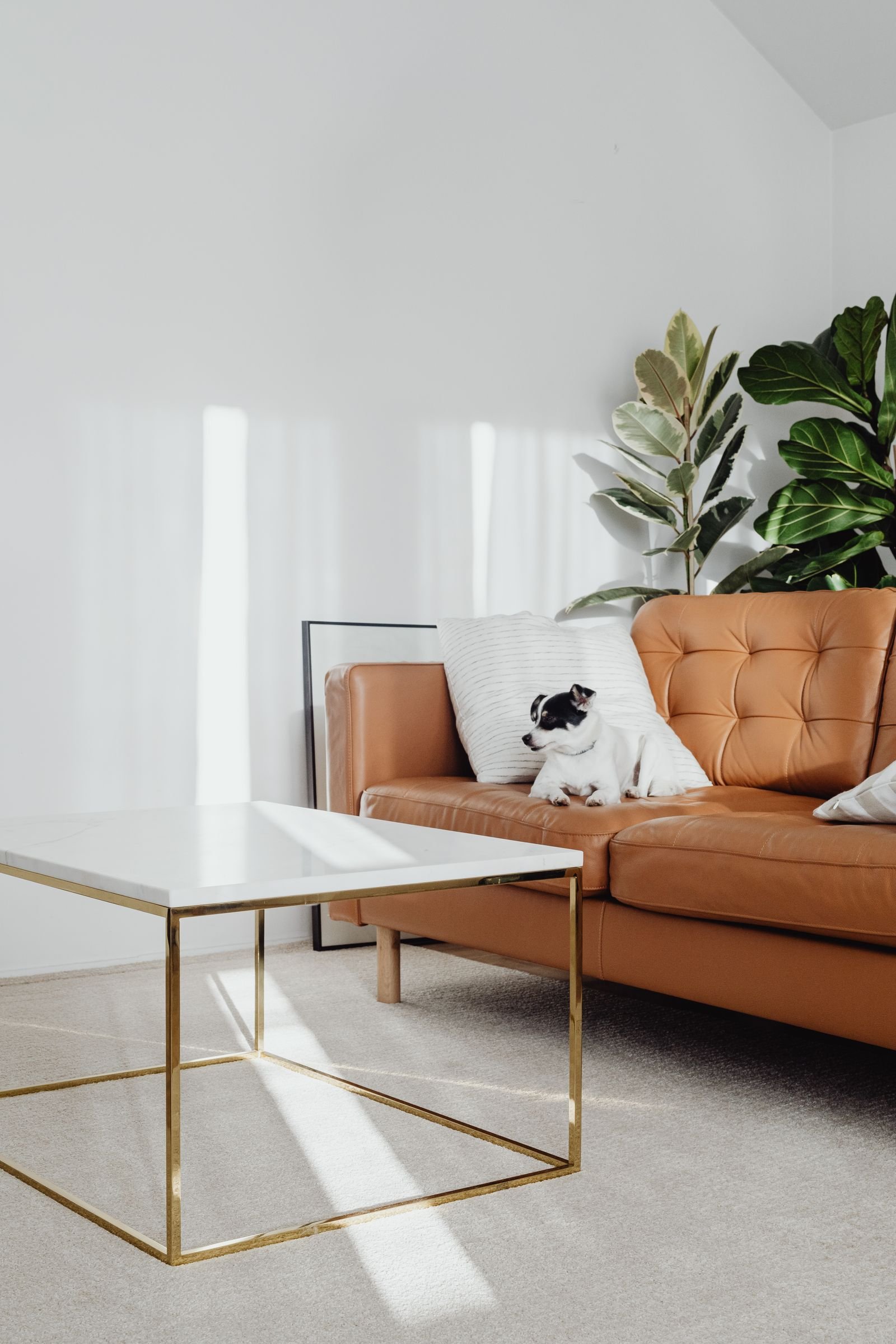
Dog-Friendly Living Room Ideas That Still Look Elegant
A living room can be dog-friendly and still look considered — it comes down to material choices more than giving anything up.
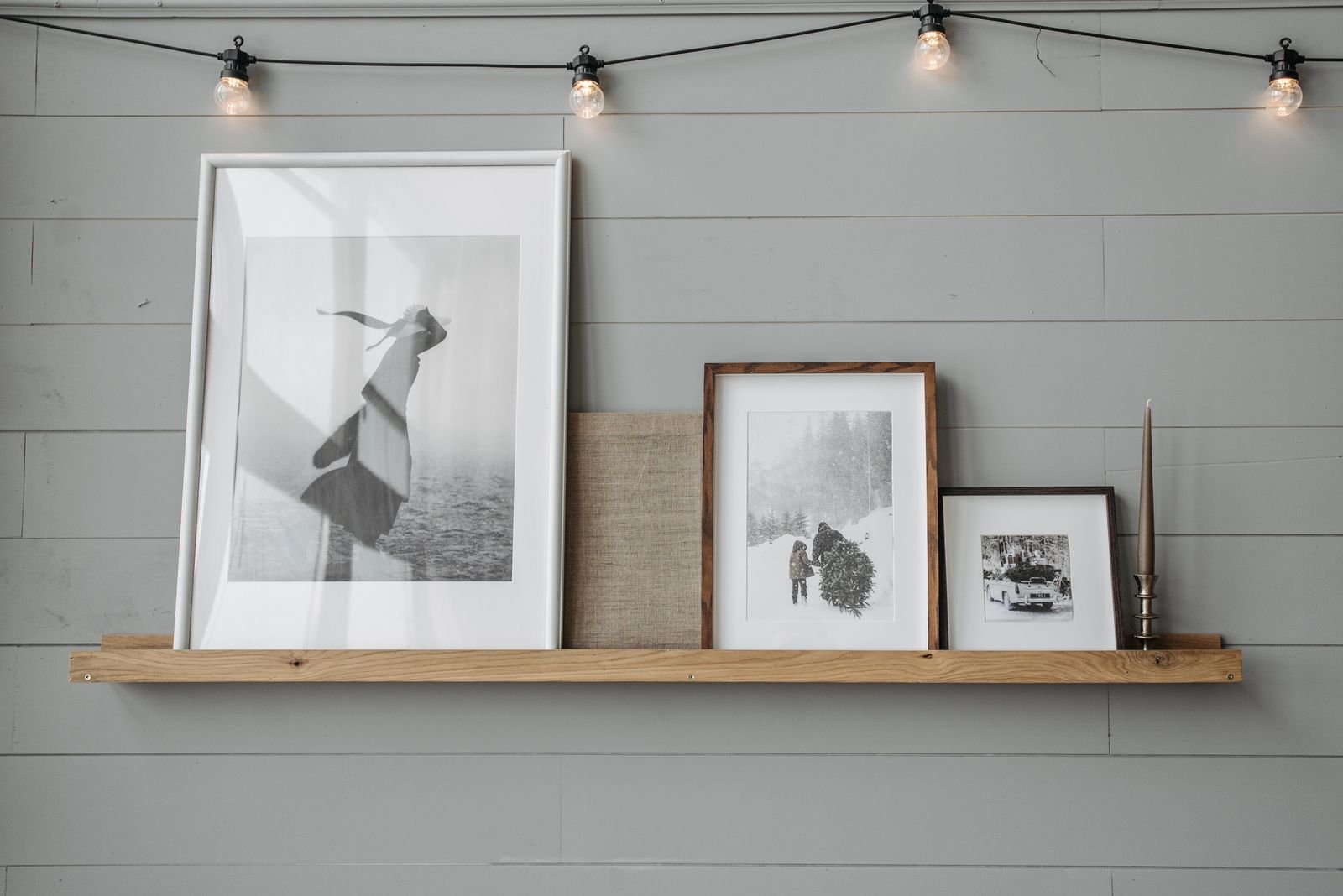
Affordable Wall Decor Ideas
One large print, a hung textile or a cluster of thrifted plates often does more for a wall, and costs less, than several small framed pieces.