
A lot of DIY content undersells how long projects actually take, which is how people end up with a half-painted accent wall at 11pm on a Sunday. These five are ones we'd genuinely call weekend-sized — a few hours each, beginner-friendly tools, and a visible payoff.
1. A Single Accent Wall
Still the highest-impact, lowest-skill project on this list. One wall, a deeper or more saturated color than the rest of the room, changes the whole space without committing to painting the entire room. Budget about three to four hours including prep and two coats, plus drying time between coats.
2. New Cabinet or Furniture Hardware
Swapping knobs and pulls on kitchen cabinets or an existing dresser is close to instant gratification — most pieces take under two hours total, including measuring for hole spacing if the new hardware doesn't match existing holes. It's one of the best effort-to-impact ratios of any project on this list.
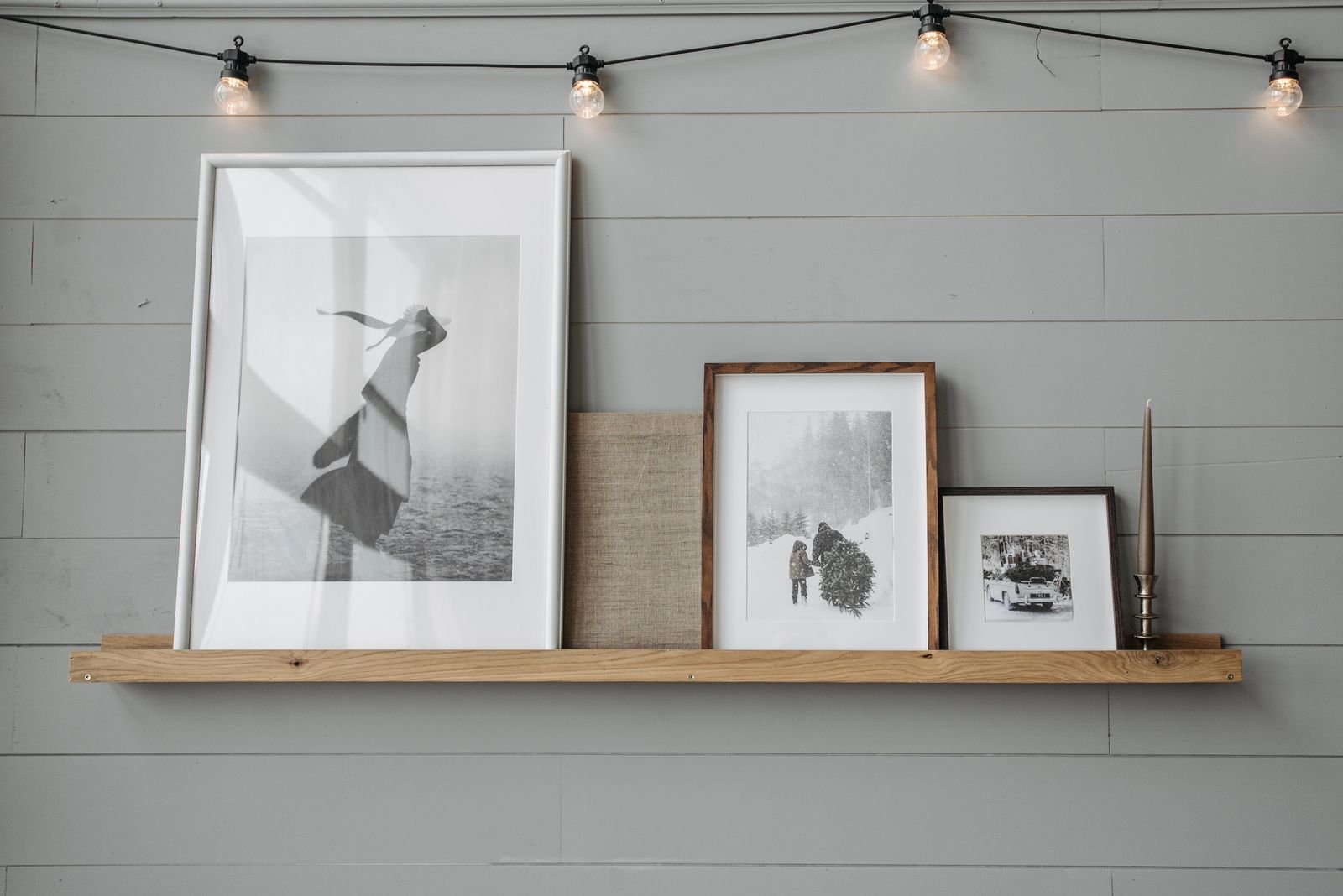
3. A Gallery Wall From Framed Prints or Photos
Budget an afternoon: laying out frames on the floor first (or tracing paper templates taped to the wall) before committing to nail holes saves the most common gallery wall mistake — an uneven, awkward arrangement that's obvious once it's up.
4. A Simple Open Shelving Install
Two or three floating shelves in a kitchen, bathroom or living room is a solid intermediate project — a couple of hours if you're working with a stud finder and a level, longer if the wall requires anchors. It adds both storage and styling opportunity in one project.
5. Refinish One Piece of Furniture
Sanding and repainting or restaining a single small piece — a side table, a chair, a headboard — is a genuinely doable weekend project as long as you pick something small. Budget a full weekend for this one specifically: sanding, priming, painting and drying time between coats adds up faster than the other projects here.
Which One Should You Start With?
If you've never done a home DIY project before, start with the hardware swap or the gallery wall — both have a low ceiling for things going visibly wrong, and both are easy to pause partway through without leaving the room worse off than when you started. The accent wall and shelving install are better second projects once you've got one win under your belt. Save the furniture refinish for last; it's the most forgiving to rush on paper but the least forgiving in practice, since every shortcut in sanding or drying time shows up in the final finish.
Basic Tools Worth Having Before You Start
None of these five projects need a fully stocked workshop, but a few basics make all of them easier: a stud finder, a good level, a set of screwdrivers, painter's tape, and drop cloths. If you only buy one tool before attempting any home project, make it the stud finder — more shelving and hanging projects go wrong from missed studs than from any other single cause.
Common DIY Mistakes to Avoid
- Skipping prep work (sanding, cleaning, taping) to save time — it's almost always the difference between a professional-looking result and a rushed one.
- Starting a project without checking you have all materials on hand, leading to a half-finished room for days.
- Underestimating drying and cure times, especially for paint and wood finishes — rushing this step is the most common cause of a disappointing result.
- Choosing a project scope that's realistically a multi-weekend job and expecting to finish it in one.
Frequently Asked Questions
What's the easiest DIY project for a total beginner?
Swapping cabinet or furniture hardware. It requires almost no tools beyond a screwdriver, has low risk of a visible mistake, and the impact is immediate and obvious.
How do I know if a DIY project is too ambitious for a weekend?
If it involves electrical or plumbing work, structural changes, or more than two coats of a finish with full dry time between each, it's realistically a multi-weekend project. Scope the project down, or plan the extra time in, before starting.
Do I need power tools for any of these five projects?
Not necessarily. A drill helps for the shelving install and speeds up hardware swaps, but all five can be done with basic hand tools if you're not in a hurry — it just takes a bit longer.
More Ideas You May Like

DIY Wall Decor Projects Anyone Can Do
Five DIY wall decor projects for people who've already done the gallery wall — abstract canvas art, a picture ledge, a stencil pattern, a textile hanging.
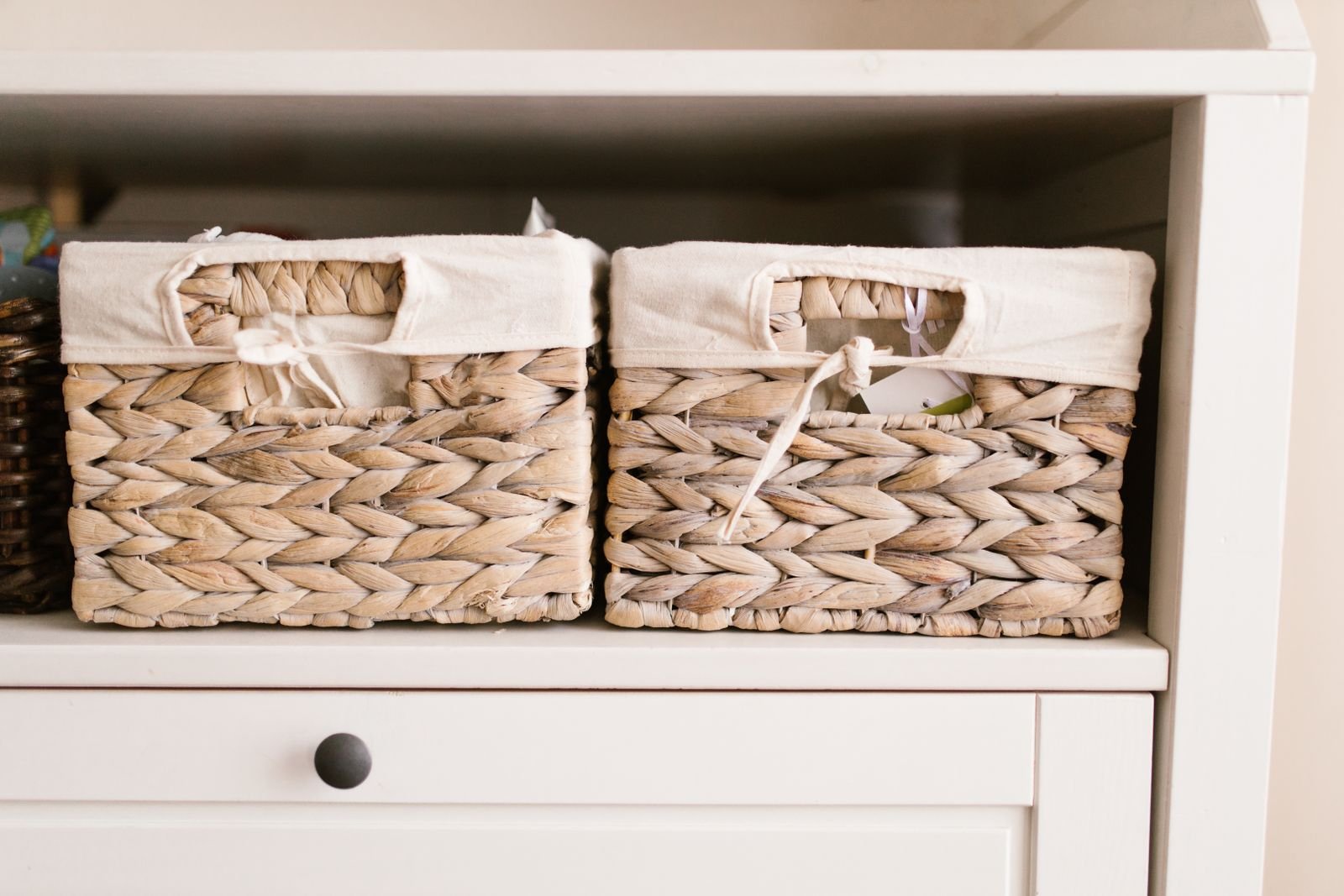
DIY Storage Ideas for Small Budgets
Four DIY storage projects that fit a real budget — raised bed storage, a pegboard wall, a doubled closet rod, and modular crate shelving.
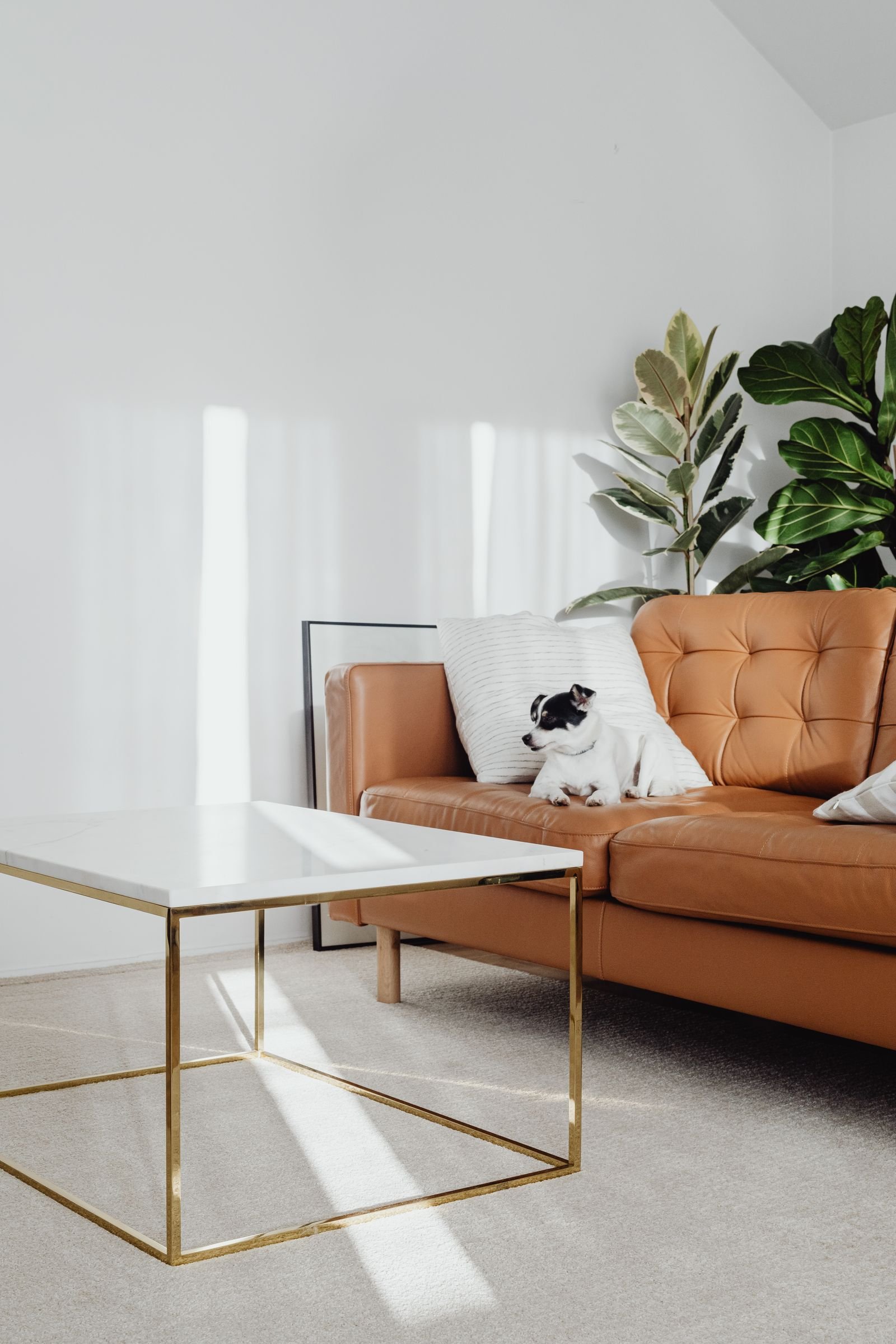
Dog-Friendly Living Room Ideas That Still Look Elegant
A living room can be dog-friendly and still look considered — it comes down to material choices more than giving anything up.
Affordable Wall Decor Ideas
One large print, a hung textile or a cluster of thrifted plates often does more for a wall, and costs less, than several small framed pieces.