
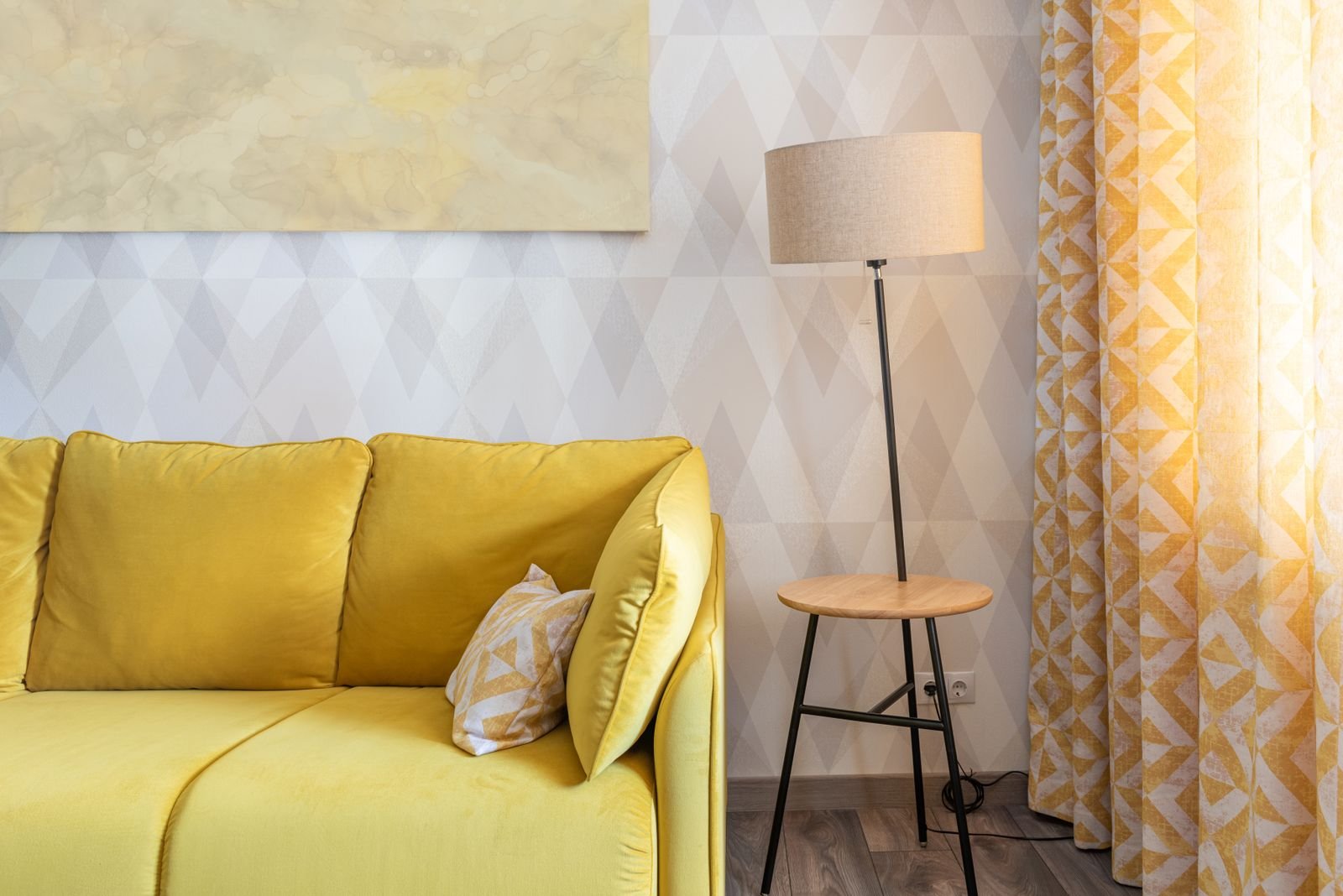
Lighting gets mentioned constantly in decor advice as a quick bulb swap, which undersells how much is actually going on. Color temperature, fixture placement, and how many separate light sources a room has all matter independently, and getting them right changes a room more than most furniture or decor purchases do.
None of this requires an electrician for most of it — a few pieces do, and we'll flag those specifically.
Understand Color Temperature Before Buying Any Bulb
Bulbs are labeled in Kelvin, and the number matters more than brand or wattage. Warm white (2700–3000K) is close to candlelight and works in almost every living space. Neutral white (3500–4100K) is closer to daylight and suits kitchens or bathrooms where task visibility matters more than mood. Daylight (5000K+) reads clinical in a home and is best reserved for a garage or workshop, not a living room or bedroom.
Layer Three Types of Light in Every Main Room
A room lit by one overhead fixture only has one mood setting: on. Splitting light into ambient, task and accent layers gives a room a range instead.
- Ambient: general room light, ideally on a dimmer, that fills the space without being the only source.
- Task: focused light exactly where it's needed — over a reading chair, under kitchen cabinets, at a desk.
- Accent: a picture light, an uplight on a plant or architectural feature, or a floor lamp in an otherwise dark corner.
Get Lamp Height Right
A table lamp's shade should sit roughly at or just below eye level when seated nearby — too tall and the bulb glares directly into view; too short and it throws light mostly onto the table rather than the room. Floor lamps next to a reading chair generally work best with the shade bottom around shoulder height when seated.
Add Dimmers Where They Matter Most
A hardwired dimmer switch is a straightforward electrical job for anyone comfortable shutting off a breaker and using a voltage tester to confirm it's dead before working — but it is electrical work, and if the box lacks a neutral wire or the wiring looks unfamiliar, that's the point to call a licensed electrician rather than push through.
A no-wiring alternative for renters
Plug-in lamp dimmers and dimmable smart bulbs controlled from an app or a small remote get most of the benefit without touching a switch box at all — a reasonable option for anyone renting or simply not ready to do electrical work.
Don't Forget Accent and Picture Lighting
A small, focused light aimed at a piece of art, a bookshelf, or a plant adds a layer most rooms skip entirely. It doesn't need to be bright — a low-wattage picture light or a discreet uplight is enough to draw the eye there in the evening, when the rest of the room is dimmer.
Common Lighting Mistakes
- Mixing bulb color temperatures within the same room, which reads as inconsistent even if each fixture looks fine on its own.
- Relying on a single overhead fixture as the only light source used after dark.
- Hanging or placing lamps too high relative to seated eye level, causing glare instead of usable light.
- Attempting a hardwired dimmer install without confirming the circuit is dead first.
Frequently Asked Questions
What color temperature works best for most living spaces?
Warm white, around 2700 to 3000K, works for the majority of living rooms, bedrooms and dining spaces. Kitchens and bathrooms can handle a slightly cooler, more neutral white for task areas without losing warmth in the rest of the room.
Is it worth rewiring for dimmers, or are plug-in options good enough?
For a room with hardwired ceiling fixtures used often, a proper dimmer switch is worth it long-term. For lamps, or for anyone renting, plug-in dimmers and dimmable smart bulbs get most of the same benefit with none of the electrical work.
How many light sources should a living room realistically have?
Three is a reasonable working target — one ambient source, one task lamp near where you read or work, and one accent light, whether that's a picture light or a lamp in an otherwise dark corner.
More Ideas You May Like

Simple Home Improvement Projects Worth the Effort
Five home improvement projects that sit between decorating and renovation — realistic for a homeowner to do, with a clear note on when to call a pro.
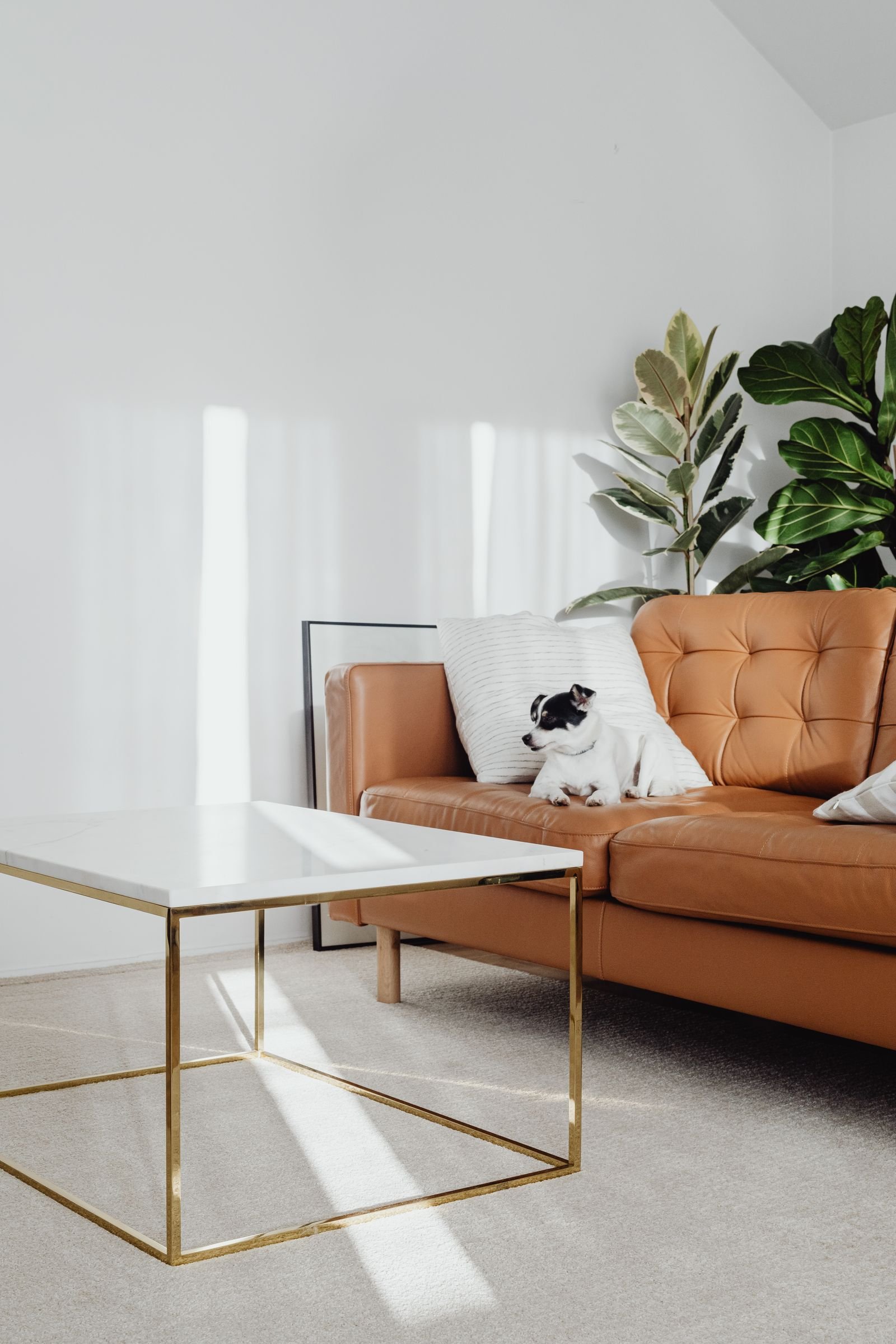
Dog-Friendly Living Room Ideas That Still Look Elegant
A living room can be dog-friendly and still look considered — it comes down to material choices more than giving anything up.
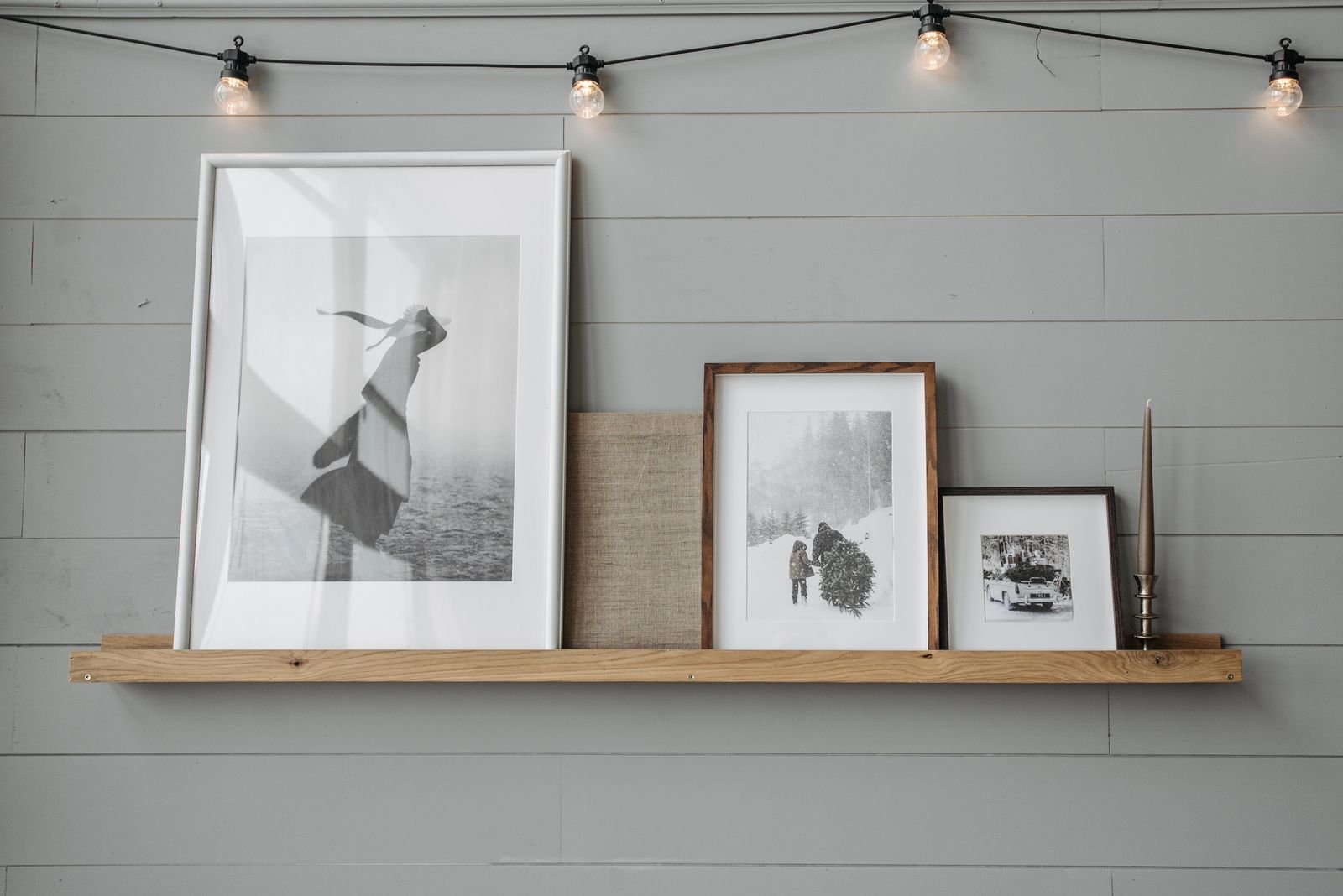
Affordable Wall Decor Ideas
One large print, a hung textile or a cluster of thrifted plates often does more for a wall, and costs less, than several small framed pieces.
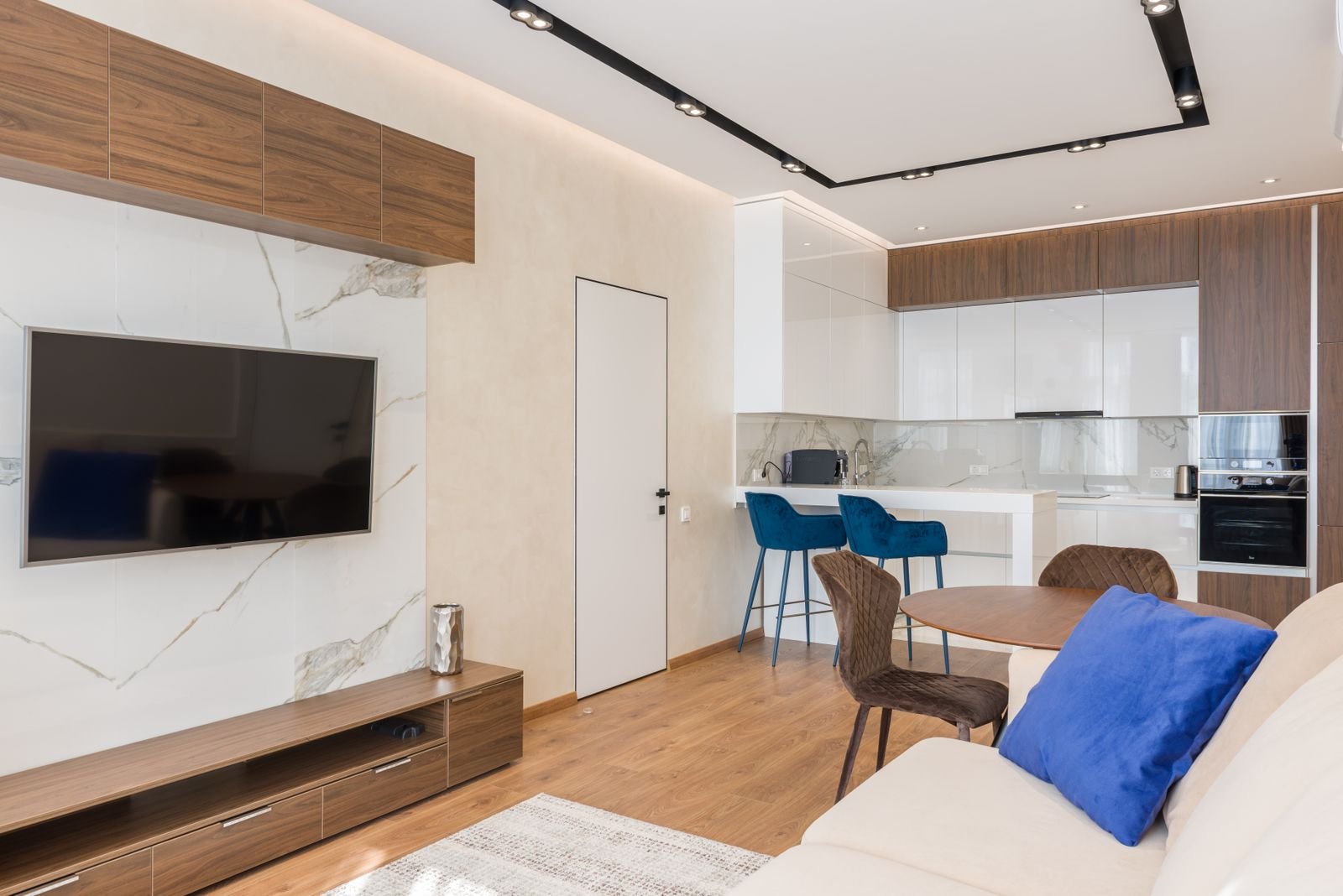
Living Room Layout Ideas for Awkward Rooms
Layout fixes for the living rooms that don't follow the rules — long and narrow, multiple doorways, or no clear focal wall to build around.