
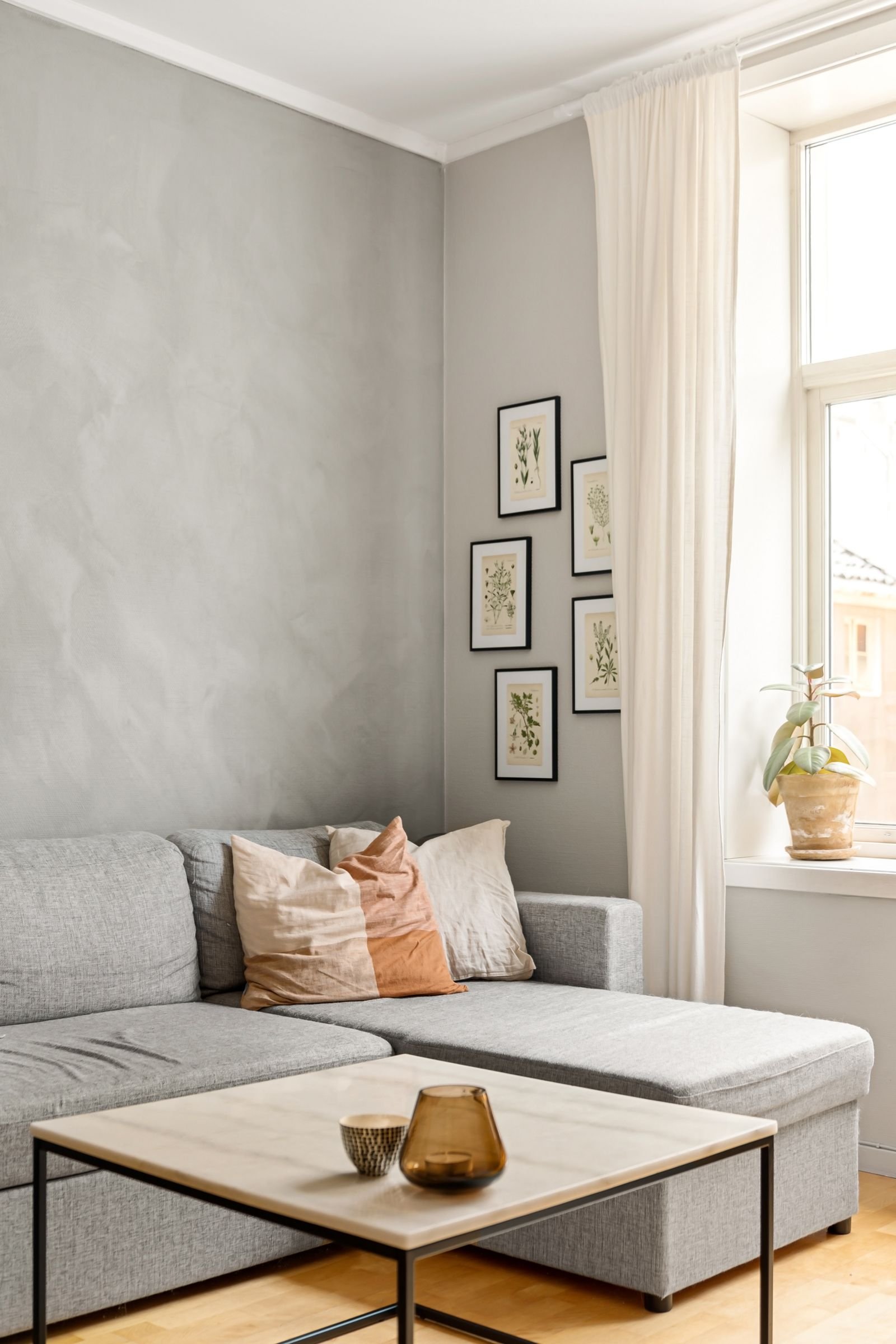
Modern design gets treated as a shopping list — certain furniture shapes, a certain paint color — when it's really more about how a house is organized and how the eye moves through it. Sightlines, floor plan, and a few structural choices do more to make a home feel modern than any single piece of furniture.
Some of these ideas need planning ahead of a renovation. Others can be applied to a house you already own without moving a wall.
Design for Sightlines, Not Just Rooms
In an open floor plan, what matters isn't just how each zone looks individually but what you see from one to the next — the kitchen island from the sofa, the dining table from the entry. A modern home usually keeps sightlines clear: lower-profile furniture near the center of an open space, taller pieces pushed to the perimeter, so nothing blocks the view across the room.
This is also why a single piece of statement furniture in the middle of an open room — an oversized sectional, a tall bookshelf used as a divider — can undercut an otherwise well-designed space; it's blocking a sightline the rest of the layout was built around.
Choose a Few Curved Pieces Against Mostly Straight Lines
Clean, straight lines are still the backbone of modern design, but a room built entirely from straight edges — square sofa, rectangular table, boxy shelving — can feel rigid. One or two curved pieces, like a rounded dining table, an arched doorway or a curved sofa arm, soften the geometry without abandoning the clean-lined foundation.
Where a Curve Works Best
Curves tend to work best on pieces people move around or sit close to — a coffee table, a sofa, an arched mirror — rather than large architectural elements, where too much curve can start to feel more traditional or organic than modern.
Mix Matte and Glossy Finishes Deliberately
A room built entirely from matte surfaces can feel flat under normal household lighting; a room with only glossy or reflective surfaces can feel cold and showroom-like. Modern interiors usually pair a matte wall or cabinet finish with one or two glossy or reflective elements — a lacquered console, a polished stone surface, a mirrored tray — so light has somewhere to catch.
Let Lighting Fixtures Act as Sculpture
A modern home treats light fixtures as objects in their own right, not just a way to see. A single sculptural pendant over a dining table or kitchen island does double duty — functional light plus a focal point — and often replaces the need for additional wall art in that part of the room.
Use Large-Format Materials to Reduce Visual Noise
Large-format floor tile, wide-plank flooring, and oversized wall tile in bathrooms all reduce the number of grout lines or seams the eye has to process. Fewer lines reads calmer and more modern than the same material in a smaller, busier format, even when the material itself is identical.
Bring the Outside In Where You Can
Modern homes lean on the relationship between inside and outside — larger windows, sliding or folding doors onto a patio, sightlines to greenery. Where structural changes aren't possible, even a few large plants positioned near a window, or furniture arranged to face outside rather than away from it, borrows some of that same effect.
Common Mistakes in Modern Home Design
- Filling an open floor plan with furniture that blocks the key sightlines the layout depends on.
- Using only straight-lined furniture throughout, which can read rigid rather than clean.
- Choosing all-matte or all-glossy finishes instead of a deliberate mix.
- Hanging pendant lighting too high, which disconnects the fixture from the surface it's meant to light.
Frequently Asked Questions
Do I need an open floor plan for a home to feel modern?
No — modern design principles like clear sightlines, restrained finishes and considered lighting apply in a traditional, room-divided layout too. Open concept just makes sightline planning more visible and more important.
What flooring reads as most modern?
Wide-plank wood or large-format tile, generally in a light-to-medium tone. The format matters more than the specific material — fewer seams and grout lines consistently read calmer and more current than smaller, busier tile or flooring.
More Ideas You May Like
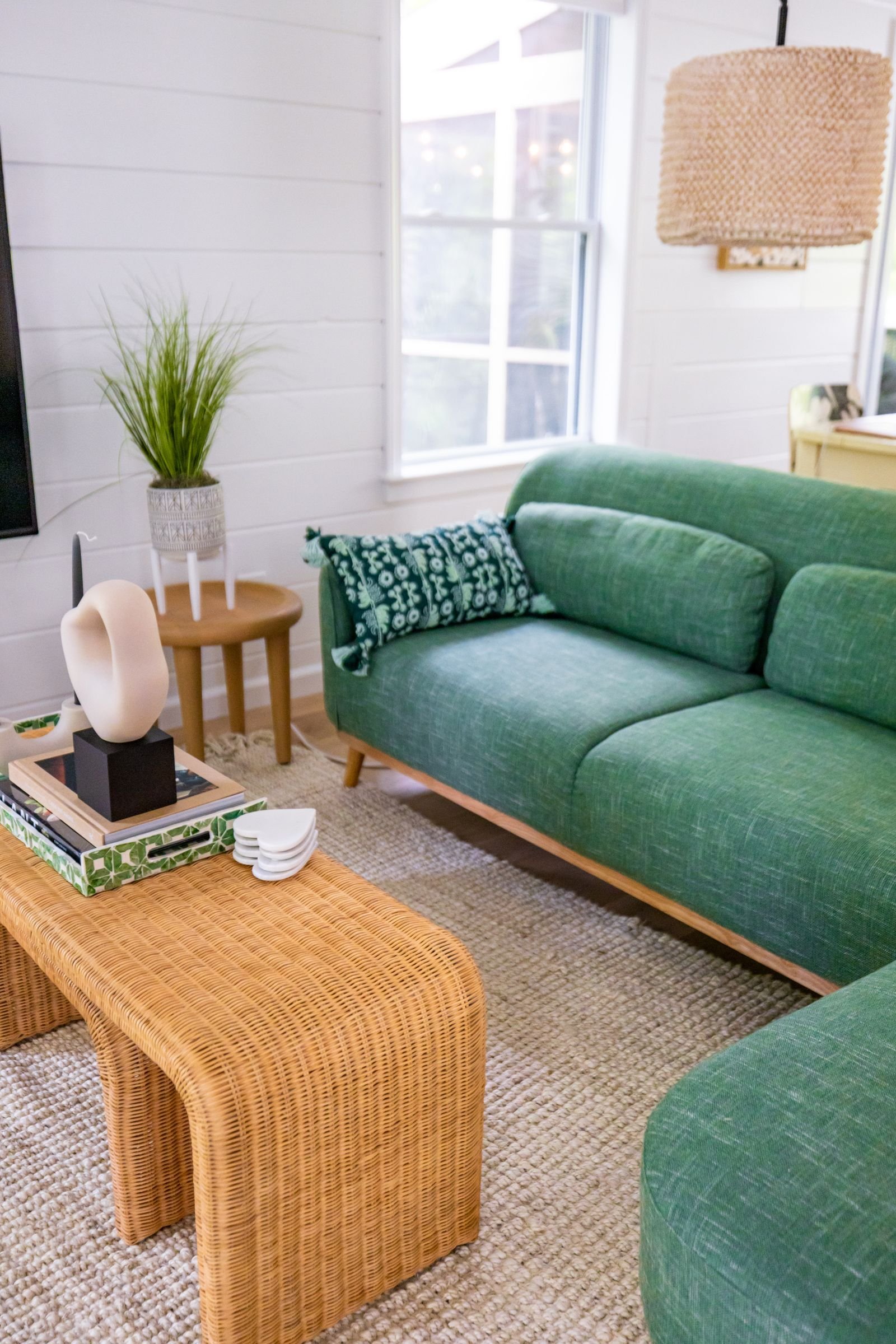
Interior Color Ideas That Make a Room Feel Considered
A considered room usually comes down to color ratio and repetition, not a single perfect paint color picked in isolation from the rest of the house.
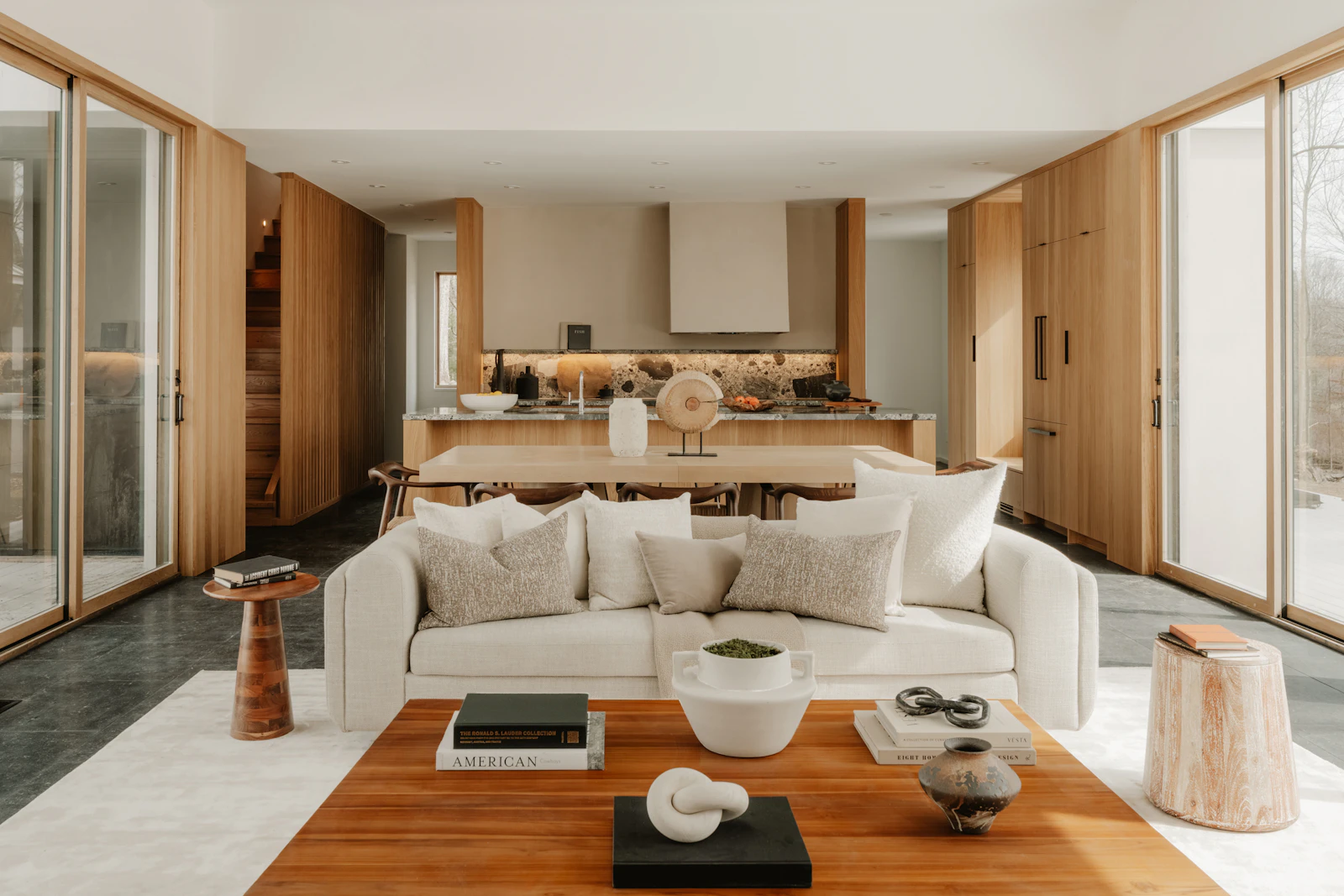
Modern Interior Design Ideas for a Calm, Considered Home
Modern design gets mistaken for minimal and cold. Done well, it's mostly about restraint, proportion and a handful of good materials.
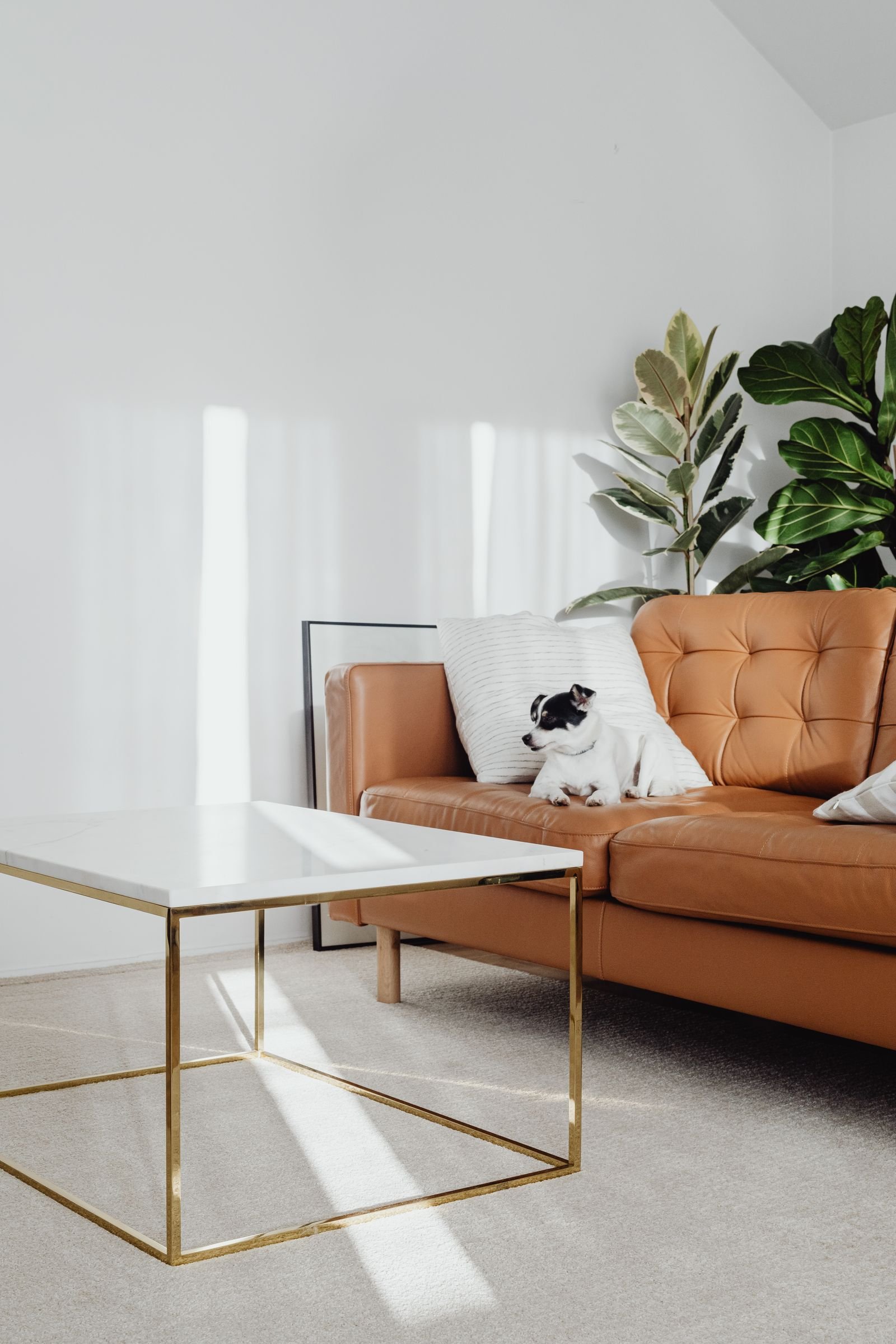
Dog-Friendly Living Room Ideas That Still Look Elegant
A living room can be dog-friendly and still look considered — it comes down to material choices more than giving anything up.
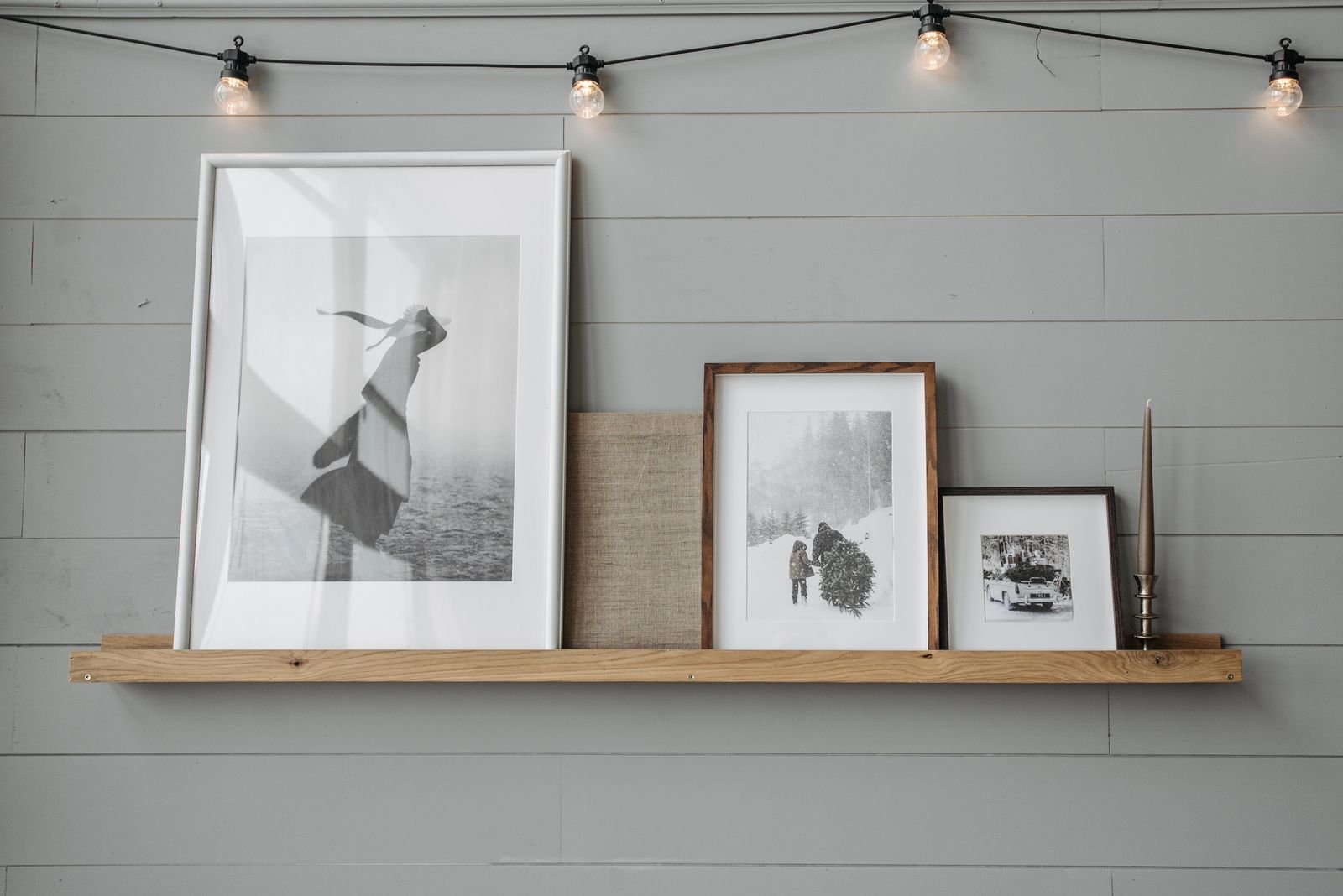
Affordable Wall Decor Ideas
One large print, a hung textile or a cluster of thrifted plates often does more for a wall, and costs less, than several small framed pieces.