
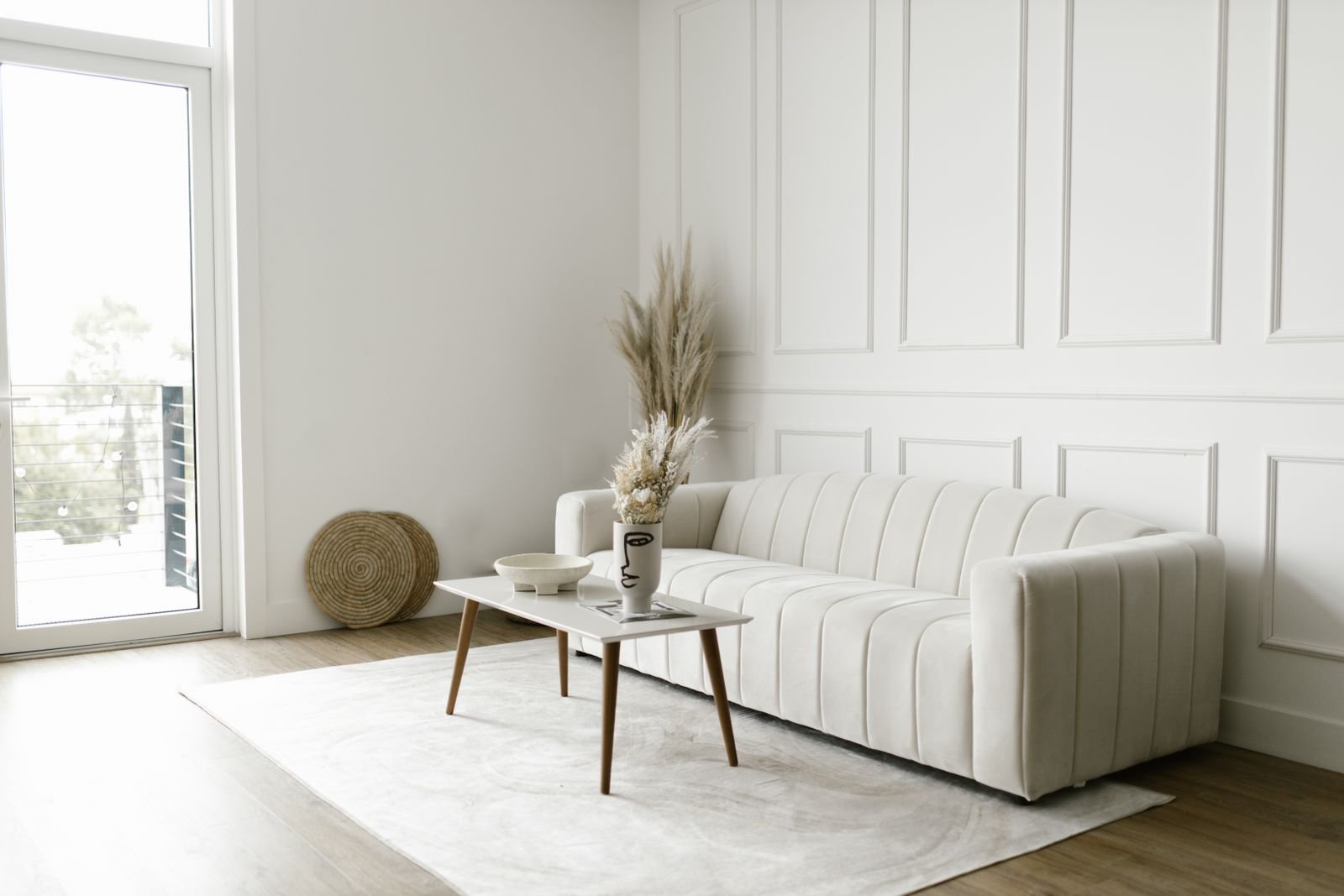
Minimalism has a branding problem. Photographed well, it looks serene; done badly, it just looks like moving day. The difference isn't the amount of furniture in the room — it's whether what's there was chosen deliberately or just hasn't been added to yet.
The goal isn't emptiness for its own sake. It's a room where every object earns its spot, which usually ends up looking calmer than a maximalist room without looking bare.
Start With Function, Not Aesthetics
A genuinely minimalist room is built from what you actually use, not from a mood board. Before removing anything, be honest about what the room needs to do — sit, read, store a few specific things — and keep everything that serves one of those functions well. Everything else is a candidate to go.
Keep One Textural Anchor
The most common way minimalist rooms go cold is an all-smooth, all-hard-surface palette — painted walls, a glass table, a leather sofa, nothing with any give to it. One anchor with real texture (a wool rug, a linen sofa, a wood floor left exposed) keeps the room from reading like a showroom.
Let Negative Space Do Real Work
Minimalist rooms rely on empty space being intentional, not accidental. A blank wall behind a single well-placed piece of art reads as deliberate; the same blank wall with nothing on it at all, in a room with no other visual anchor, just reads as unfinished. The negative space needs something to be negative space around.
Choose a Narrow, Warm Color Range
All-white minimalism is a specific look, and it's not the only one. A warmer neutral range — oatmeal, soft clay, warm gray — reads just as minimal as stark white while giving the room more depth. Stick to two or three tones total; the restraint in color count matters more than which colors you pick.
Edit in Passes, Not One Weekend
The rooms that read as genuinely minimalist usually got there over several rounds, not one aggressive purge. A first pass removes the obvious excess — duplicate items, things never used, anything broken and unfixed. A second pass, done a few weeks later once the room has settled, catches the subtler stuff: a piece that seemed necessary at first but turns out not to be missed. Rushing this into a single weekend tends to either stop short of real minimalism or overcorrect into a room that feels stripped rather than edited.
Common Minimalist Mistakes
- Removing furniture until the room feels unfinished rather than calm — there's a point where minimal tips into sparse.
- Choosing an entirely cool, stark palette by default, which reads clinical rather than considered.
- Skipping personal objects entirely; a few, carefully chosen, don't undermine minimalism.
- Treating minimalism as a one-time purge rather than an ongoing habit of being selective about what comes into the room.
Frequently Asked Questions
Is minimalism the same as having very little furniture?
Not exactly — it's about having furniture and objects that are all genuinely useful or meaningful, with nothing left in 'just in case' or purely out of habit. A room can have a reasonable amount of furniture and still be minimalist if everything there is intentional.
How do I avoid a minimalist room feeling cold?
Add texture (a rug, natural wood, linen), keep the palette warm rather than stark white, and allow a few personal objects. Coldness usually comes from an all-smooth, all-neutral, entirely impersonal room — not from having fewer things.
More Ideas You May Like
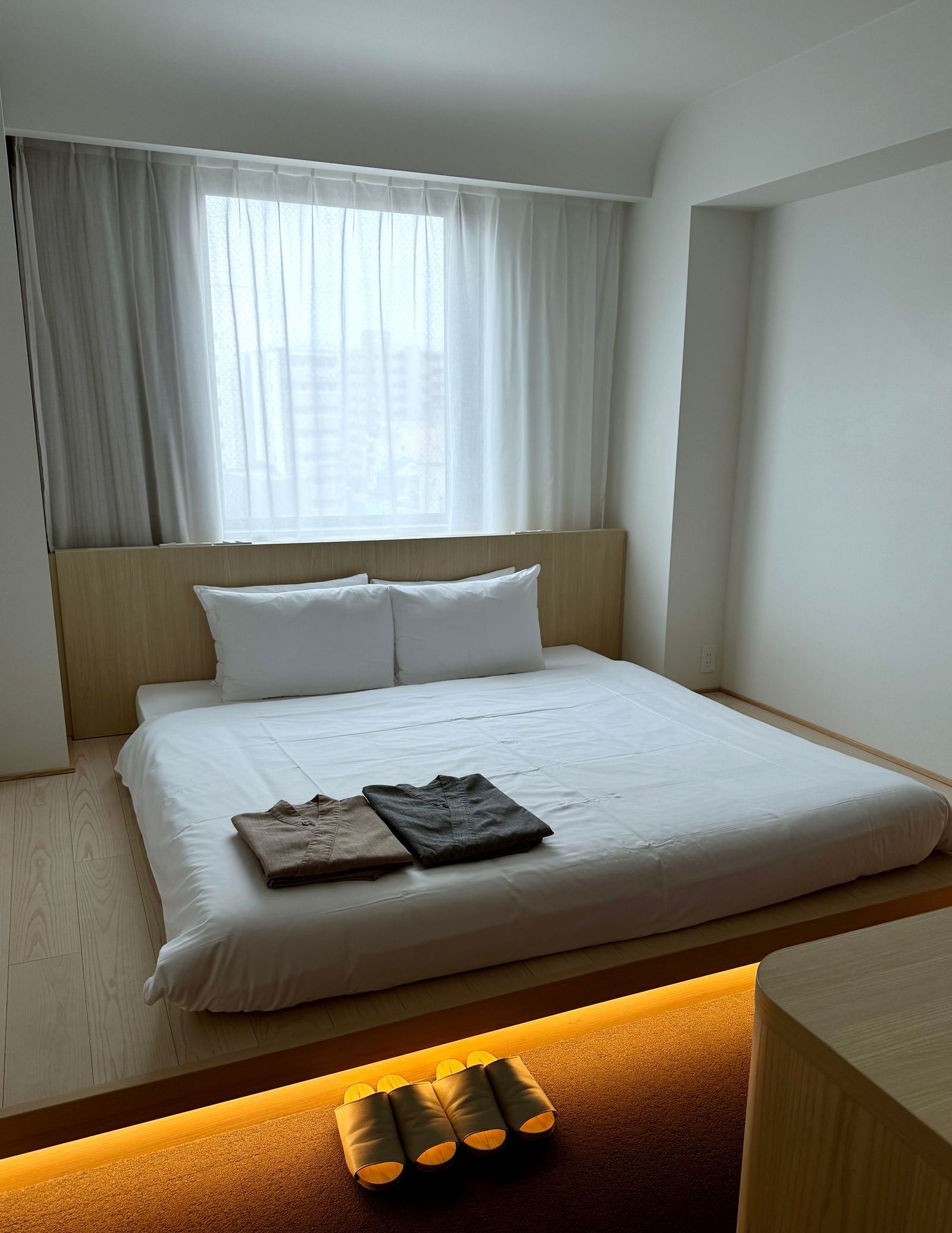
Japandi Home Ideas: Where Japanese and Scandinavian Design Meet
Japandi is Japanese restraint and Scandinavian warmth in the same room — here's what actually defines it beyond the buzzword.
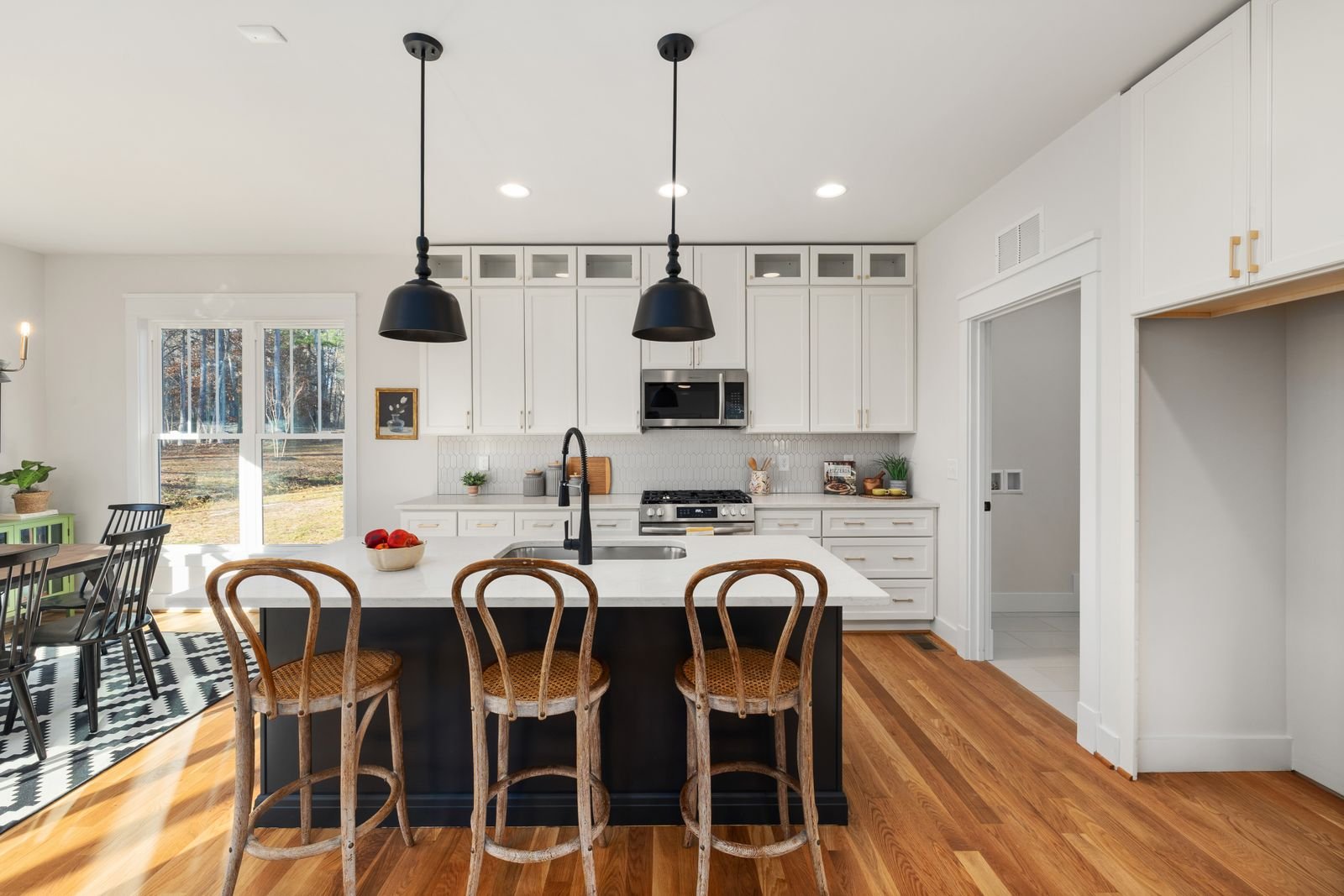
Modern Farmhouse Decor Ideas Beyond Shiplap
Modern farmhouse peaked with shiplap and mason jars — here's what still holds up about the style, and what to leave behind.
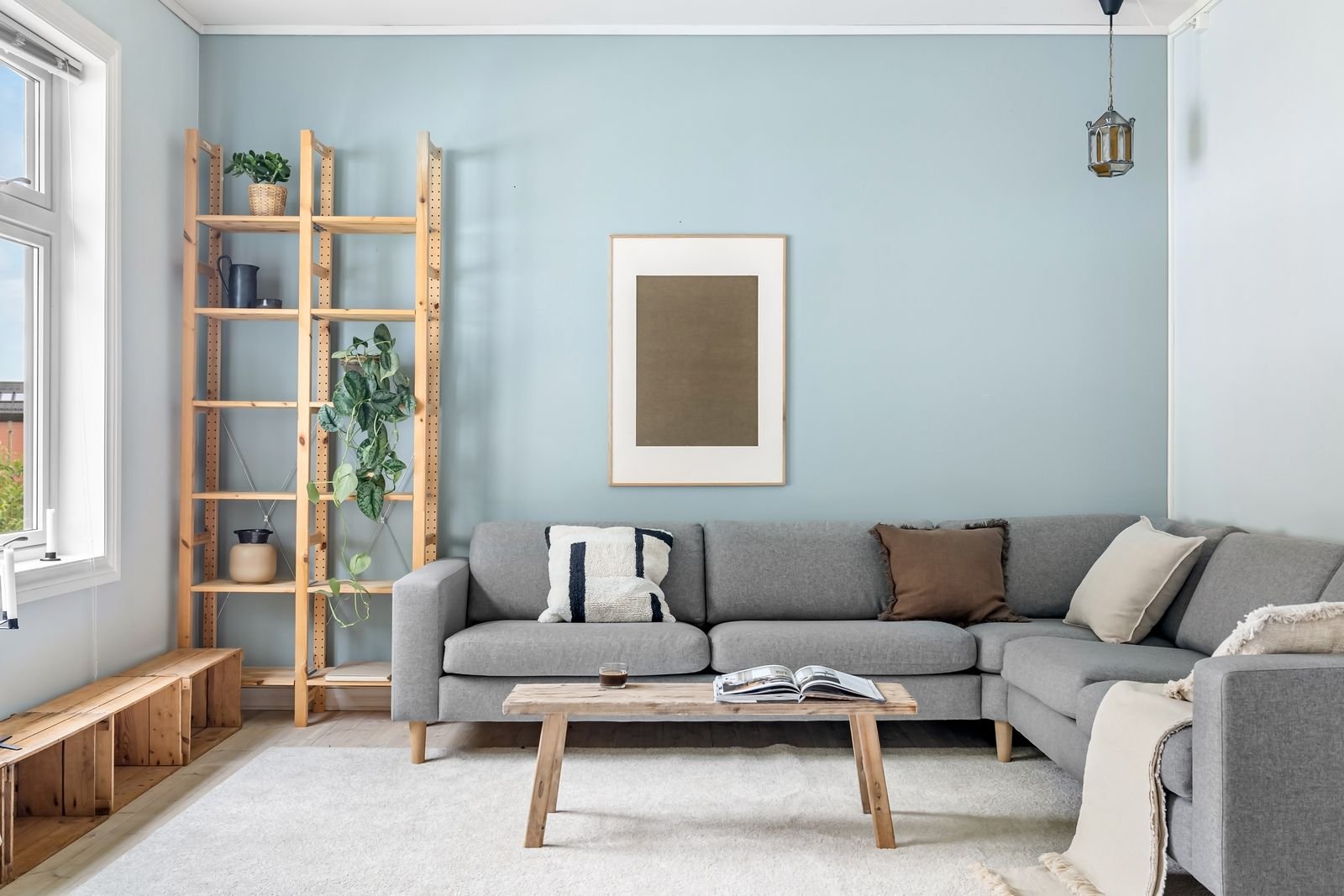
Scandinavian Home Ideas for a Bright, Functional Space
Scandinavian design is about light and function first — the white walls and cozy textiles are a result of that, not the starting point.
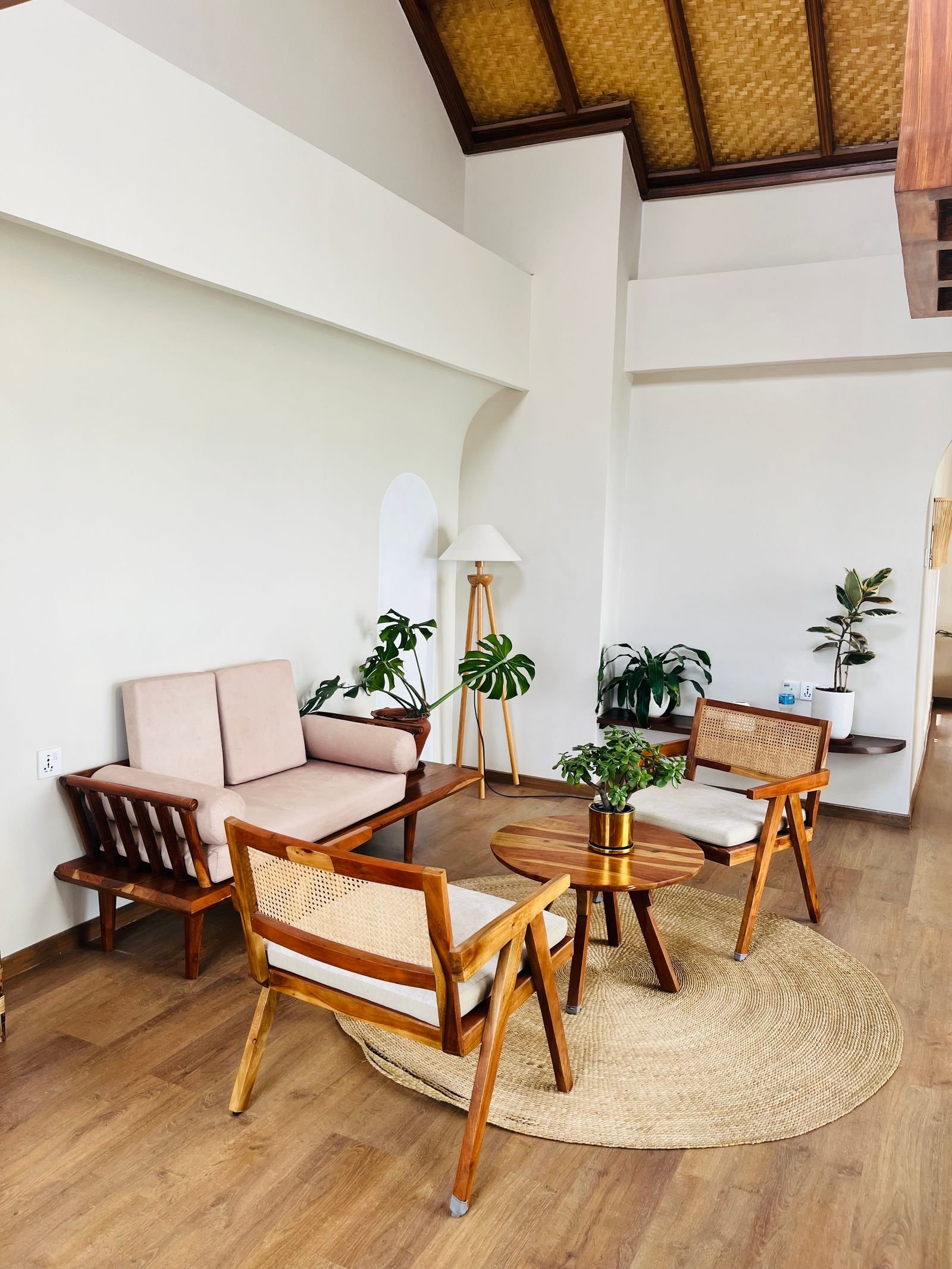
Boho Home Decor Ideas That Don't Look Cluttered
Boho decor lives or dies on restraint — the good version is layered on purpose, not just full of things.