
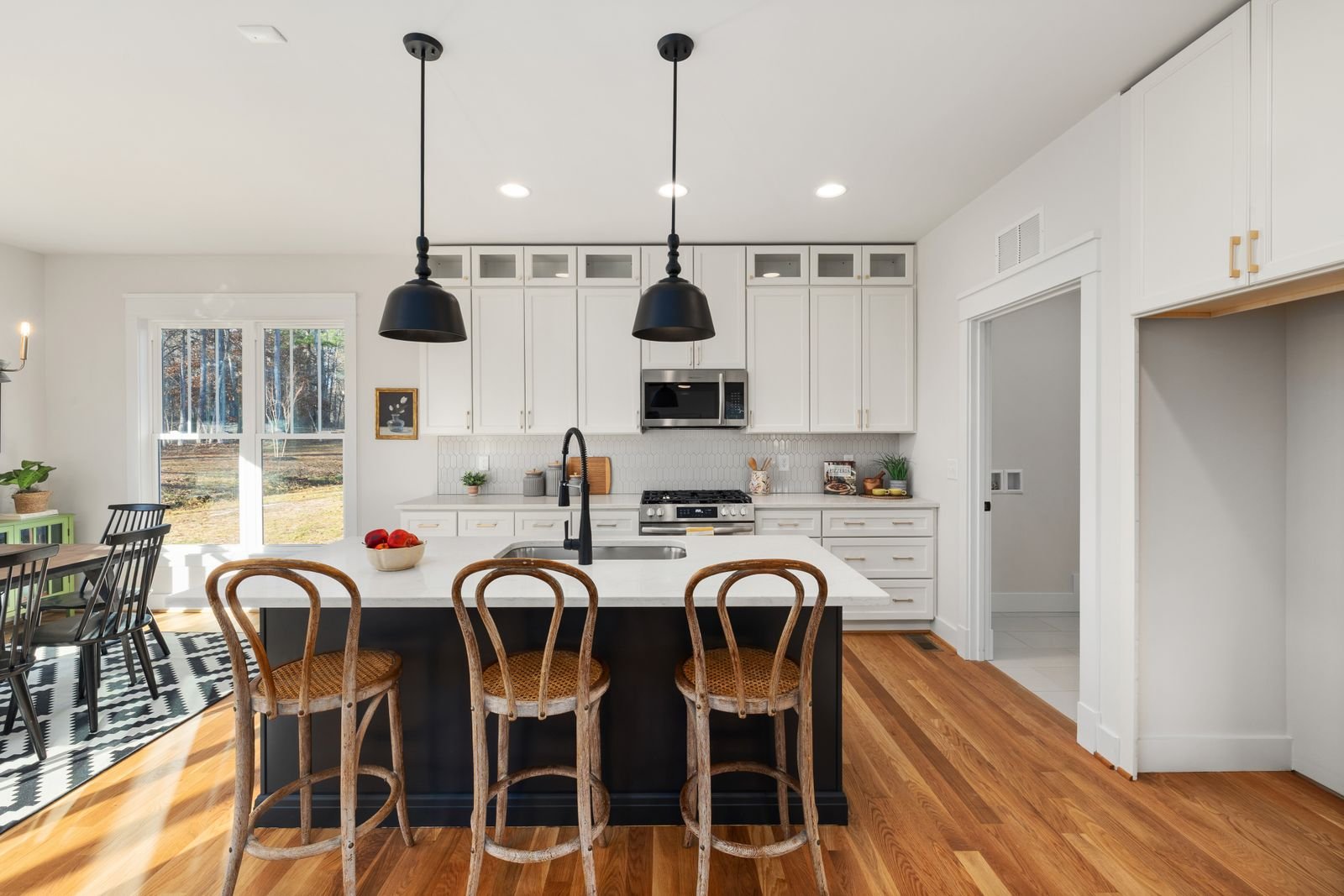
Modern farmhouse got so popular it became a punchline, largely because the shorthand version — shiplap, a barn door, a sign with a script font — got copied without the actual substance behind the style. Stripped of the trend-driven details, what's left is a genuinely useful combination: clean modern lines with warm, traditional materials.
Keep the 'Modern' Half Doing Real Work
The style works best when the modern half isn't just a backdrop for farmhouse accessories — simple cabinetry, clean-lined furniture silhouettes and a restrained color palette should carry equal weight with the rustic materials, not just frame them.
Choose Wood With Visible Grain and Character
Reclaimed or visibly grained wood — a dining table with real texture, open wood shelving instead of laminate — is doing most of the 'farmhouse' half of the equation. A single substantial wood piece usually reads better than smaller wood accents scattered throughout.
Use Black or Aged Metal as the Contrast Note
Matte black hardware, light fixtures and window frames against white or pale walls is one of the more enduring parts of the style — it's what gives modern farmhouse its graphic, slightly industrial edge rather than reading as purely rustic or purely modern.
Skip the Literal Farm References
This is where the style dates fastest — decorative signage, faux-vintage crates, and literal farm imagery (roosters, cow print) read as trend-driven rather than considered. The materials and proportions carry the style; the literal props aren't necessary and are usually the first thing that looks dated in a few years.
Let the Kitchen Carry the Style
If there's one room where modern farmhouse still earns its reputation, it's the kitchen — simple shaker-style cabinetry, an apron-front sink, open shelving mixed with closed cabinets, and that black-hardware-against-white-cabinets contrast all read clearly without needing any literal farmhouse signage. A kitchen renovated with those bones tends to age better than one leaning on decorative extras, since the elements themselves are functional choices that would hold up in a plain modern kitchen too.
A wood island top or open shelving is usually enough texture on its own; adding both, plus exposed beams, plus a farmhouse sink, starts to tip a kitchen from considered into overdone. Pick one or two moments for the raw-wood texture to show up rather than layering it everywhere.
Textiles Can Soften the Hard Lines
Because the modern half of this style leans on clean cabinetry and simple furniture silhouettes, textiles — a woven runner, linen curtains, a chunky knit throw — do useful work softening what could otherwise feel a little stark. They're also the easiest, lowest-commitment way to bring in the farmhouse half of the equation without touching cabinetry, flooring or fixtures.
Common Modern Farmhouse Mistakes
- Leaning entirely rustic without the modern half — plain shiplap and rustic signage alone reads dated rather than considered.
- Overusing shiplap or board-and-batten on every surface instead of using it as one accent.
- Adding literal farmhouse props (signs, faux crates) instead of letting materials and proportion carry the style.
- Mixing warm and cool metal finishes inconsistently instead of committing to black or aged brass throughout.
Frequently Asked Questions
Is modern farmhouse decor outdated?
The trend-driven details — decorative signage, literal farm imagery, shiplap on every wall — have dated quickly. The underlying combination of clean lines, real wood texture and black metal accents still holds up when the literal props are left out.
What's the easiest way to update a dated farmhouse room?
Remove decorative signage and literal farm-themed accessories first, then check that the black or metal hardware is consistent throughout. Often the bones of the room (the wood furniture, the paint color) are still fine — it's the props that read as dated.
More Ideas You May Like
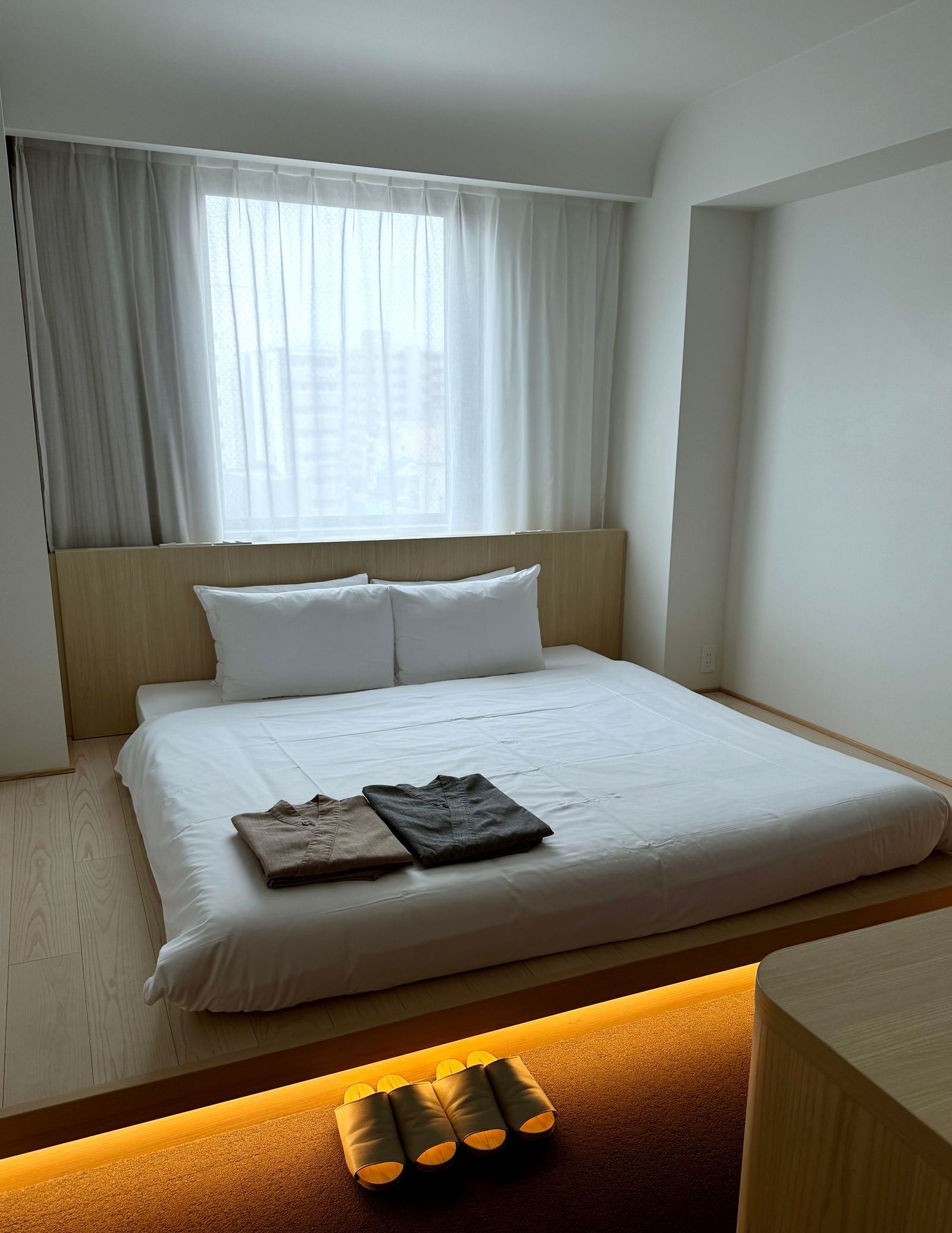
Japandi Home Ideas: Where Japanese and Scandinavian Design Meet
Japandi is Japanese restraint and Scandinavian warmth in the same room — here's what actually defines it beyond the buzzword.
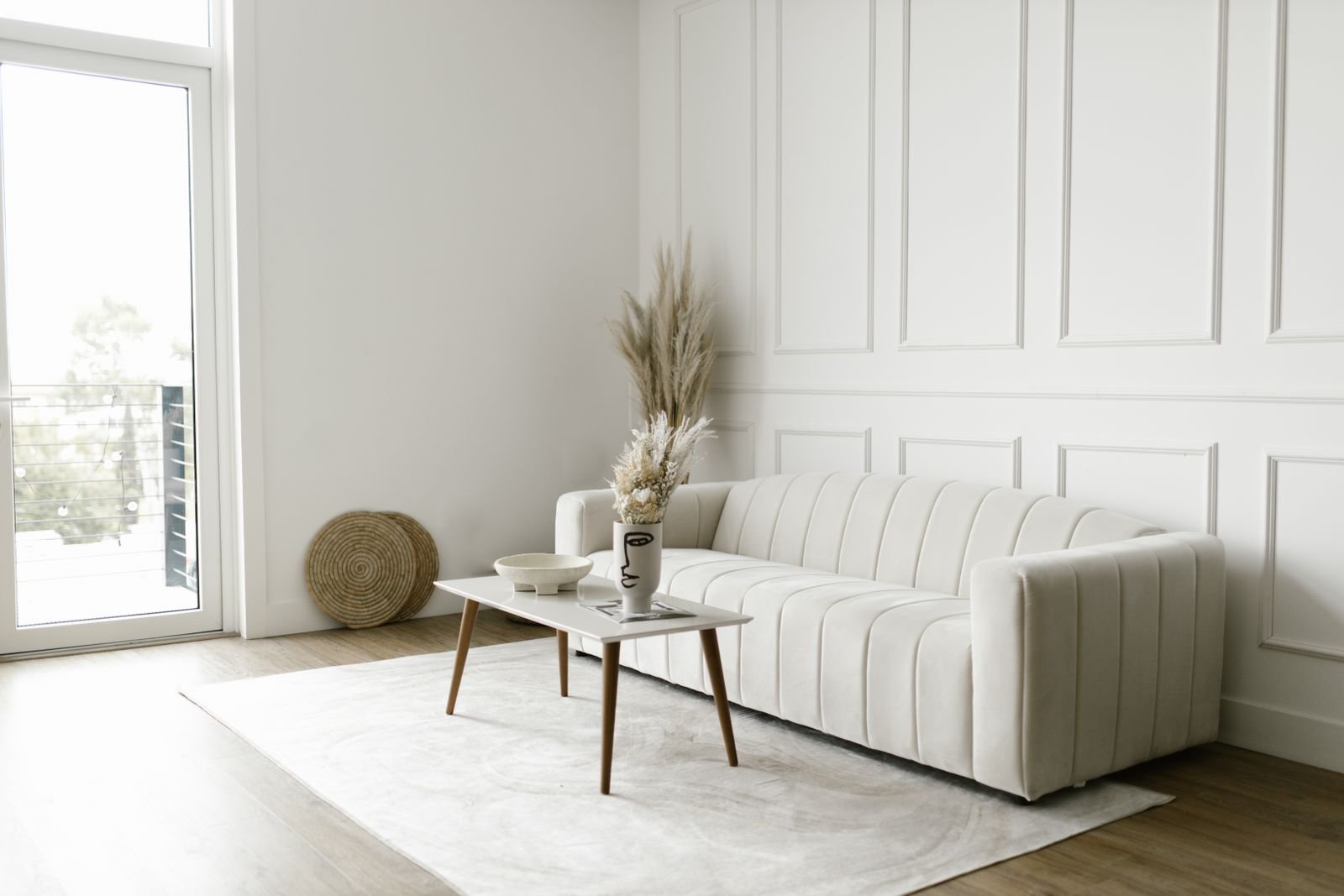
Minimalist Home Ideas That Still Feel Warm
Good minimalism isn't an empty room — it's a room where everything left has a reason to be there.
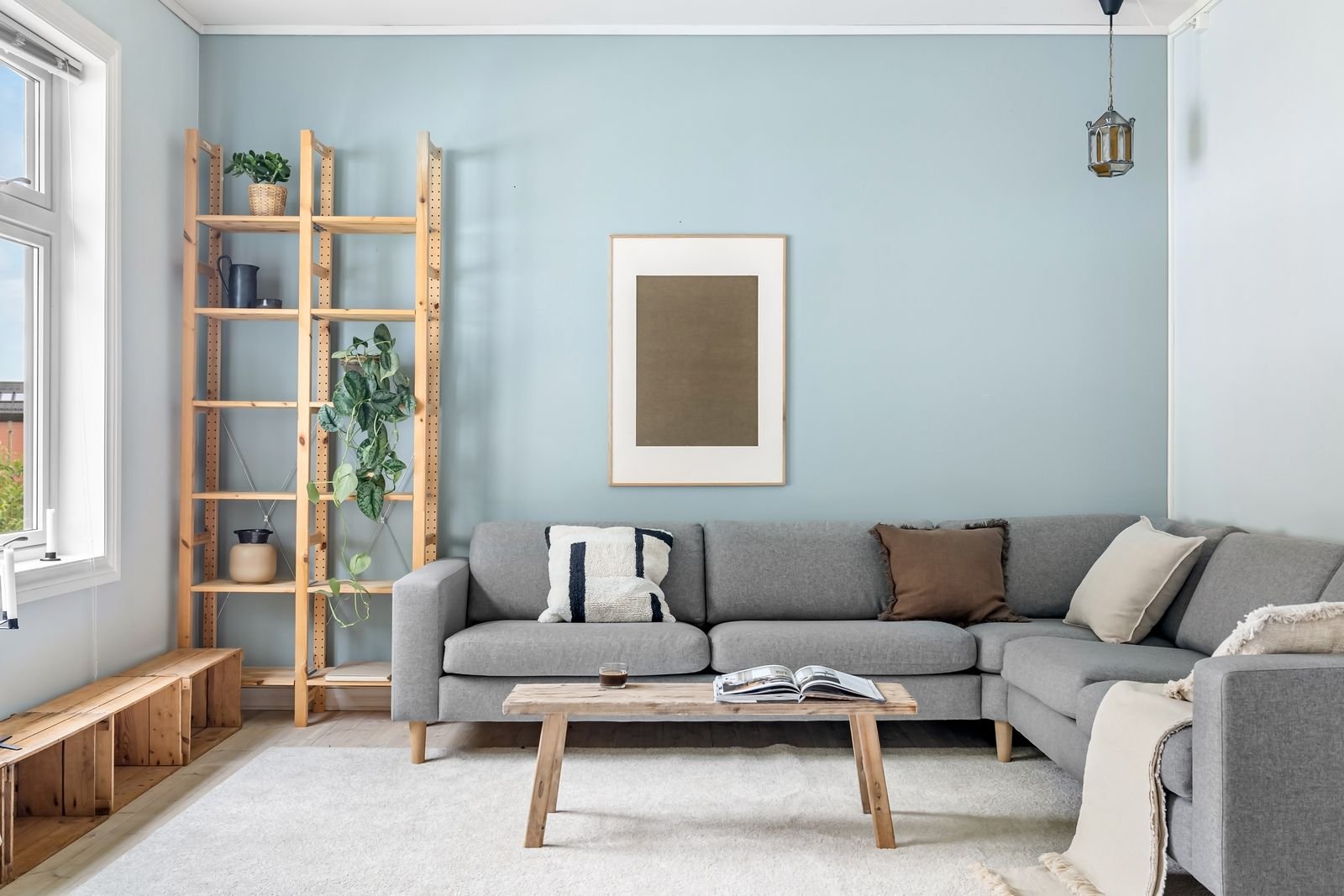
Scandinavian Home Ideas for a Bright, Functional Space
Scandinavian design is about light and function first — the white walls and cozy textiles are a result of that, not the starting point.
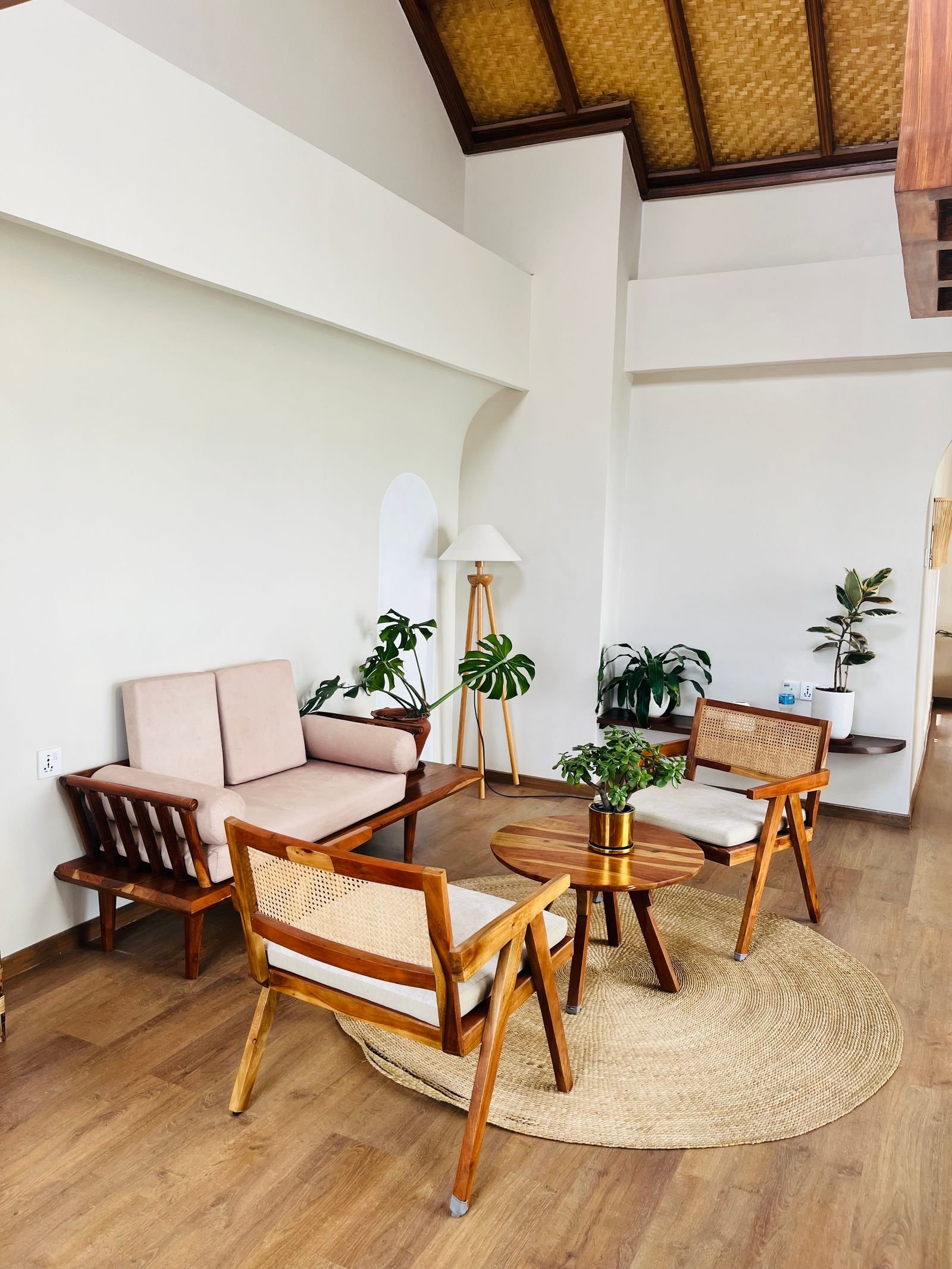
Boho Home Decor Ideas That Don't Look Cluttered
Boho decor lives or dies on restraint — the good version is layered on purpose, not just full of things.